Contact Form 7

The Future of Preventative Maintenance: How AI-Powered 3D Digital Twin Software is Revolutionizing the Oil and Gas Industry

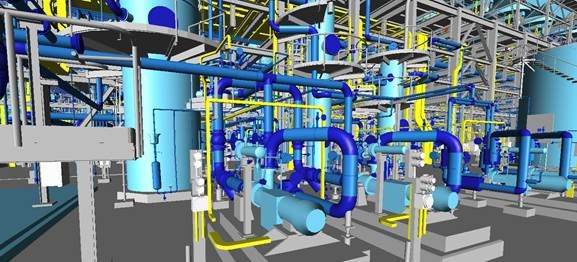
The Future of Preventative Maintenance: How AI-Powered 3D Digital Twin Software is Revolutionizing the Oil and Gas Industry   In the ever-evolving landscape of the oil and gas industry, adopting advanced technologies is crucial for maintaining operational efficiency and safety. One such innovation is the use of AI-powered 3D digital twin software in preventative maintenance. This transformative technology is redefining how companies approach maintenance, reducing downtime, and enhancing productivity. In this article, we will explore how preventative maintenance software, particularly AI-powered 3D digital twin solutions, is revolutionizing the oil and gas sector. Understanding Preventative Maintenance Software   Preventative maintenance software plays a pivotal role in the oil and gas industry by anticipating and mitigating potential equipment failures before they occur. Traditional maintenance practices often involve reactive strategies, addressing issues only after they arise. This approach can lead to significant downtime, costly repairs, and potential safety hazards. In contrast, preventative maintenance software leverages data analytics, machine learning, and predictive algorithms to identify potential problems early, allowing for timely intervention.   The Rise of 3D Digital Twin Technology   A digital twin is a virtual replica of a physical asset, system, or process. In the context of the oil and gas industry, a 3D digital twin provides a detailed, real-time representation of equipment and infrastructure. This digital model is continuously updated with data from sensors and other sources, enabling comprehensive monitoring and analysis. The integration of AI enhances the capabilities of digital twins, making them invaluable tools for preventative maintenance.   How AI-Powered 3D Digital Twin Software Works   AI-powered 3D digital twin software combines the power of artificial intelligence with the precision of 3D modeling. Here’s how it works:   Data Collection: Sensors and IoT devices gather real-time data from equipment and infrastructure. This data includes temperature, pressure, vibration, and other critical parameters Digital Twin Creation: The collected data is used to create a highly accurate 3D digital twin of the physical asset. This model is a dynamic representation that evolves in real-time with the asset’s condition. AI Analysis: Sensors and IoT devices gather real-time data from equipment and infrastructure. This data includes temperature, pressure, vibration, and other critical parameters Data Collection: Sensors and IoT devices gather real-time data from equipment and infrastructure. This data includes temperature, pressure, vibration, and other critical parameters   Benefits of AI-Powered 3D Digital Twin Software   The implementation of AI-powered 3D digital twin software in the oil and gas industry offers several significant benefits:   Enhanced Predictive Accuracy: The combination of AI and digital twin technology provides unprecedented accuracy in predicting equipment failures. This allows for more precise maintenance planning and reduces the likelihood of unexpected breakdowns. Reduced Downtime: By identifying and addressing potential issues before they escalate, preventative maintenance software minimizes downtime. This leads to increased operational efficiency and cost savings. Improved Safety: Preventative maintenance helps ensure that equipment operates within safe parameters, reducing the risk of accidents and enhancing overall safety for workers and the environment. Cost Savings: Proactive maintenance reduces the need for costly emergency repairs and extends the lifespan of equipment. This results in significant cost savings over time. Data-Driven Decision Making: The wealth of data collected and analyzed by AI-powered 3D digital twin software provides valuable insights for decision-makers. This enables more informed strategic planning and resource allocation. The Future of Preventative Maintenance in Oil and Gas   As the oil and gas industry continues to embrace digital transformation, the role of AI-powered 3D digital twin software in preventative maintenance will only grow. The technology’s ability to provide real-time insights, predictive analytics, and optimized maintenance schedules is revolutionizing the sector. Companies that adopt these advanced solutions will be better positioned to achieve operational excellence, enhance safety, and remain competitive in a rapidly changing landscape.   In conclusion, preventative maintenance software, powered by AI and 3D digital twin technology, is transforming the oil and gas industry. By leveraging these innovative tools, companies can anticipate and mitigate potential issues, ensuring smoother operations and a safer working environment. The future of preventative maintenance is here, and it is digital, intelligent, and remarkably efficient.

The Future of Preventative Maintenance: How AI-Powered 3D Digital Twin Software is Revolutionizing the Oil and Gas Industry Read More »

The ROI of 3D Digital Twins

The Hidden ROI of 3D Digital Twins: What You’re Missing Out On

The Hidden ROI of 3D Digital Twins: What You’re Missing Out On   Written by David Reinhart, EVP – Digital Twin, Visionaize. Imagine turning hours of fieldwork into mere minutes at your desk.   For many businesses, the idea of implementing 3D Digital Twins can seem overwhelming, like something out of science fiction—a costly and complex engineering tool. However, the reality is far more accessible and beneficial than you might imagine. This paper explores the hidden ROI of 3D Digital Twins, demonstrating how strategic implementation can unlock significant, often overlooked benefits.   Addressing Cost Concerns & Demystifying the Creation of 3D Digital Twins:   A common misconception is that creating a 3D Digital Twin requires starting from scratch with expensive 3D modeling. In reality, many facilities already possess a wealth of 3D data collected during capital projects.   “An hour in V-Suite is like 8 hours in the field,”   is a quote we love from one of our customers.  It illustrates the efficiency gains from leveraging existing data. By integrating this data with robust digital twin platforms, businesses can develop accurate digital replicas without prohibitive costs. Modern technologies, such as laser scanning and photogrammetry, make this process accessible even for facilities without pre-existing 3D models.   The Value Proposition: Beyond Engineering:   3D Digital Twins offer value across various departments: Operations: Optimize facility performance, reduce downtime, and boost productivity with simulated operational scenarios. Maintenance: Implement predictive maintenance schedules to reduce unplanned downtime and costs. Engineering: Virtually test and refine designs to ensure efficiency and safety before implementation. Projects: Minimize risks and errors during design and maintenance phases with accurate virtual models. Inspection & Reliability: Gain real-time insights into asset performance for proactive issue identification. Environmental Health & Safety (EHS): Monitor and manage safety and environmental conditions effectively. Finance: Realize cost savings from improved efficiency and reduced maintenance expenses. Executives: See enhanced ROI through improved operational efficiency, safety, and profitability. Foster a collaborative work environment that boosts employee retention. Achieving ROI: Strategic Implementation:   The return on investment for 3D Digital Twins is realized through several key benefits: Enhanced Decision-Making: Real-time monitoring and data analysis provide actionable insights, enabling better-informed decisions. This leads to reduced downtime, optimized production, and significant cost savings. Cost Efficiency: By digitizing and integrating data, businesses reduce the need for manual inspections, paper records, and physical testing. This not only saves time and money but also improves data accuracy and accessibility. Improved Safety and Compliance: Accurate digital representations help identify and mitigate safety risks, ensuring compliance with regulatory requirements and preventing costly incidents. Long-Term Savings: While initial setup costs may seem high, the long-term savings from reduced maintenance, downtime, and operational inefficiencies justify the investment. The cost of digital twin technology has also been decreasing, making it more accessible.   Phased Implementation: Starting Small and Scaling Up:   Achieving ROI from 3D Digital Twin technology doesn’t require an immediate, full-scale implementation. Uncover hidden ROI by gradually integrating more complex systems and realize incremental benefits. Clients can start small, focusing on critical areas with the data they already have, and gradually advance and mature their systems over time. This phased approach helps address common challenges while building a solid foundation for future growth.   Address Common Challenges with a Crawl, Walk, and Run Deployment:   To effectively manage the transition, it’s essential to address common challenges through a phased approach: Time to Value: Clients need to see benefits quickly to justify the investment. Data Quality & Data Silos: Ensuring high-quality, integrated data can be difficult. Organizational Readiness: Preparing the organization for technological change is crucial.   Crawl Phase: Initial Implementation: Rapid Time to Value: Achieve quick wins with minimal upfront investment. 3D Scans & Images: Utilize existing 3D scans and images to create basic digital twins. Light Data Integration: Integrate initial data sets to start realizing immediate benefits. Cost-Effective foundation for the Future: Enhance readiness with integrated laser scans and plot plans, setting the stage for transformation.   In the crawl phase, clients often face data overload due to the sheer volume of operational data. Technological adaptation can be challenging without prior experience, and resource constraints, such as limited budgets and personnel, can impede a full-scale implementation. Starting with simple use cases, such as visualization of existing data for inspections or routine maintenance, can help clients overcome these hurdles. This approach transforms isolated, unintegrated, and limited visibility data into consolidated, visible, and integrated systems.   Walk Phase: Intermediate Development: Medium Functionality: Expand capabilities with more detailed models and functions. Hybrid 3D Model (Mesh + Critical Assets): Combine tagged mesh with critical asset models for a more comprehensive view. Deeper Data Integration: Enhance data integration to support more complex operations. Enhanced Operations: Integrate richer data with CAD and 3D models for better efficiency and quick decisions. As clients progress to the walk phase, they encounter challenges in system integration, managing the increased complexity of a 3D mesh surface model, and minimizing operational disruption while transitioning to more advanced technologies. By incorporating more dynamic data and 3D integration, clients can achieve synchronized, automated, and optimized systems. This phase supports more advanced approaches, reducing manual efforts and enhancing efficiency.   Run Phase: Advanced Implementation: Full Functionality: Implement full-scale, robust 3D models of facilities and assets. Robust 3D Model of Facility & Assets: Create detailed and accurate digital twins of entire facilities. Broad System & Data Integration: Integrate with various systems and data sources for comprehensive functionality. Leading the Way: Use comprehensive data to support cross-functional applications and advanced capabilities and maximize ROI. In the run phase, clients face challenges related to full-scale deployment, advanced data analysis, and the alignment of digital twin adoption with strategic business goals and future growth. With advanced 3D integration and applications of AI, VR, and other advanced technologies, 3D Digital Twins support insightful, predictive solutions, simulations, and forecasting. This leads to the possibility of autonomous automated actions and closed-loop optimization.   Quick Wins: Immediate Benefits of 3D Digital Twins:   Turnarounds and Mechanical Integrity

The Hidden ROI of 3D Digital Twins: What You’re Missing Out On Read More »

Predictive Maintenance

The Vital Role of Change Management in Scaling AI and 3D Digital Twin Solutions

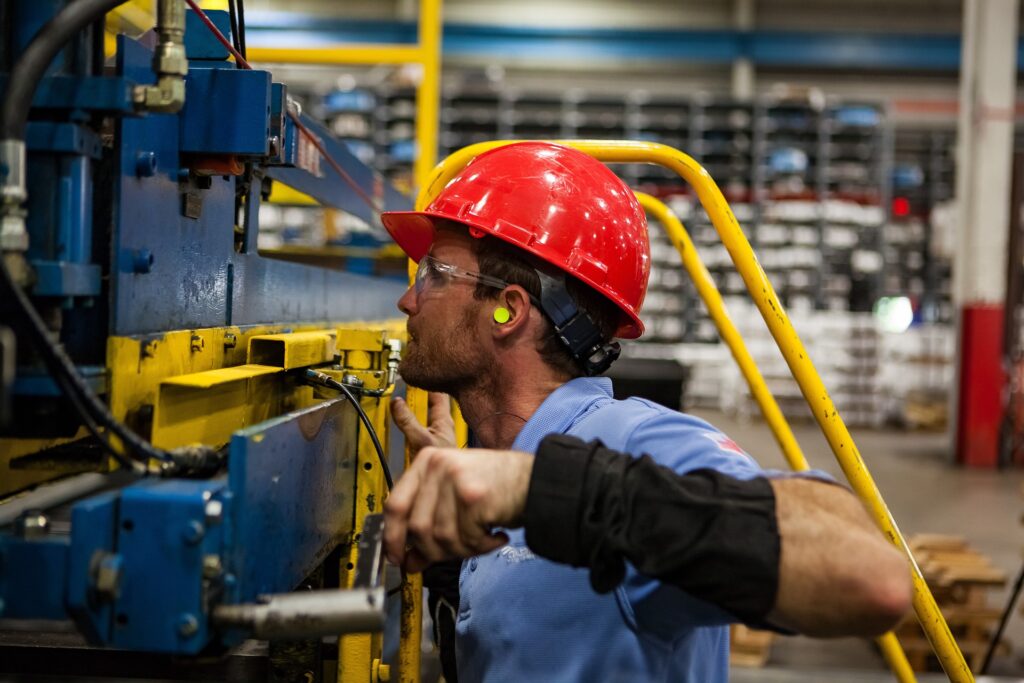
The Vital Role of Change Management in Scaling AI and 3D Digital Twin Solutions     In the fast-paced realm of industrial innovation, embracing transformative technologies like AI and 3D Digital Twins has become imperative for staying ahead in the competitive landscape. These innovative tools promise efficiency, accuracy, and unparalleled insights into industrial processes. However, the journey towards successful integration and widespread adoption is not solely about technological prowess. Rather, it hinges significantly on how effectively organizations manage the accompanying changes.   Challenges of Change Management   In many industrial facilities, the workforce is characterized by experienced individuals who have long been accustomed to established methods. This demographic often exhibits a reluctance to embrace change or adopt new technologies that disrupt the status quo. However, with the influx of a younger generation into the workforce, there’s a shift in attitudes towards technology. These digital natives, raised in an era of rapid technological advancement, actively seek out innovative solutions like generative AI and 3D Digital Twins to streamline processes and drive efficiencies. Their eagerness to embrace transformative technologies underscores the pressing need for effective change management strategies to bridge the gap between generations and ensure seamless integration of new tools into industrial workflows.     Understanding the Dynamics of Change   Change within an organization is sometimes met with resistance. Whether it’s the introduction of new processes, technologies, or workflows, teams may perceive change as disruptive to their routines and roles. Consequently, without proper guidance and management, even the most groundbreaking technologies can falter in delivering their promised value. Change management, as a strategic approach to transitioning individuals, teams, and organizations from current states to desired futures, becomes paramount in this context. It’s not merely about pushing for change but rather orchestrating it to minimize disruption, foster buy-in, and maximize the benefits realized. The significance of effective change management cannot be overstated when it comes to adopting generative AI and 3D Digital Twin technologies. Here’s why:   Cultivating a Culture of Adaptability   Change management initiatives instill a culture of adaptability within organizations. By proactively addressing concerns, providing adequate training, and fostering open communication channels, employees feel empowered to embrace new technologies rather than resist them. This shift in mindset is fundamental for the successful integration of generative AI and 3D Digital Twins into existing workflows.         Mitigating Resistance and Overcoming Challenges   Resistance to change is a common barrier encountered in technology adoption efforts. Strategies, such as stakeholder engagement, pilot programs, and feedback mechanisms, help identify and address sources of resistance early on. By acknowledging and addressing concerns transparently, organizations can build momentum toward adoption while mitigating potential roadblocks.   Maximizing Return on Investment (ROI)   Integrating generative AI and 3D Digital Twin technologies aims to drive tangible business outcomes, whether it’s optimizing processes, enhancing productivity, or reducing costs. Effective change management ensures that organizations realize the full potential of these technologies by aligning implementation efforts with strategic objectives to accelerate value. By optimizing usage and minimizing downtime during the transition period, organizations can accelerate ROI and achieve scalability more rapidly.          Enabling Continuous Improvement   Change management is not a one-time endeavor but rather an ongoing process. As technologies evolve and organizational needs shift, continuous improvement becomes essential. By fostering a culture of continuous learning and adaptation, change management lays the foundation for long-term success and sustainability in leveraging generative AI and 3D digital twin technologies. As the industrial sector embraces the transformative potential of generative AI and 3D Digital Twin technologies, the importance of effective change management cannot be overstated. Organizations can accelerate adoption and drive scalability by proactively addressing resistance, cultivating a culture of adaptability, and aligning implementation efforts with strategic objectives. In navigating the complexities of change, organizations have the opportunity not only to optimize processes and enhance productivity but also to unlock new frontiers of innovation and competitiveness in the digital age. At Visionaize, our solutions are designed for rapid deployment, requiring minimal time and resources from our clients to initiate. Following successful implementation, our team of expert advisors stands ready to support your organization in navigating change management and expediting your digital transformation journey to accelerate value realization.   Learn How Change Management Can Pave Your Technology Way   Connect with an Expert

The Vital Role of Change Management in Scaling AI and 3D Digital Twin Solutions Read More »

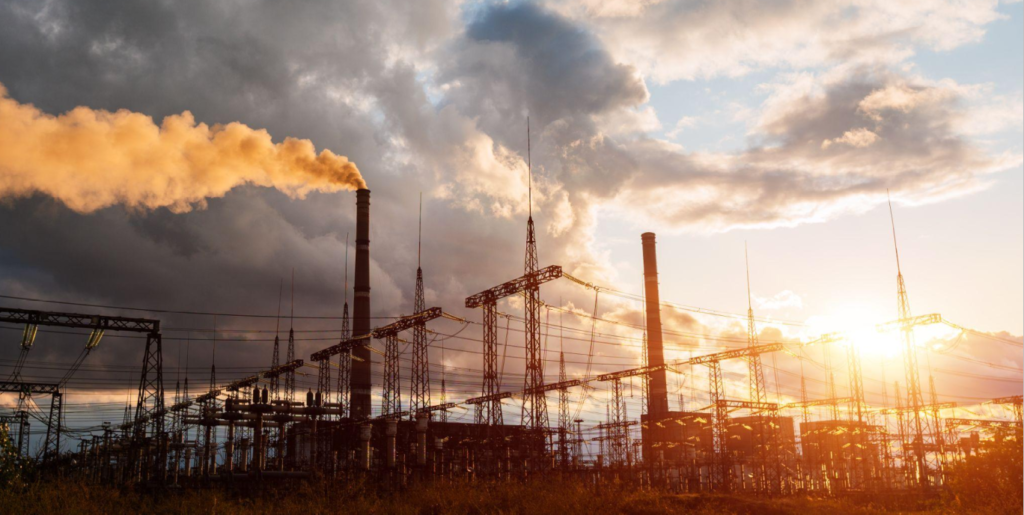
Power station a sunset

Accelerating Sustainability Goals with Digital Twin Technology

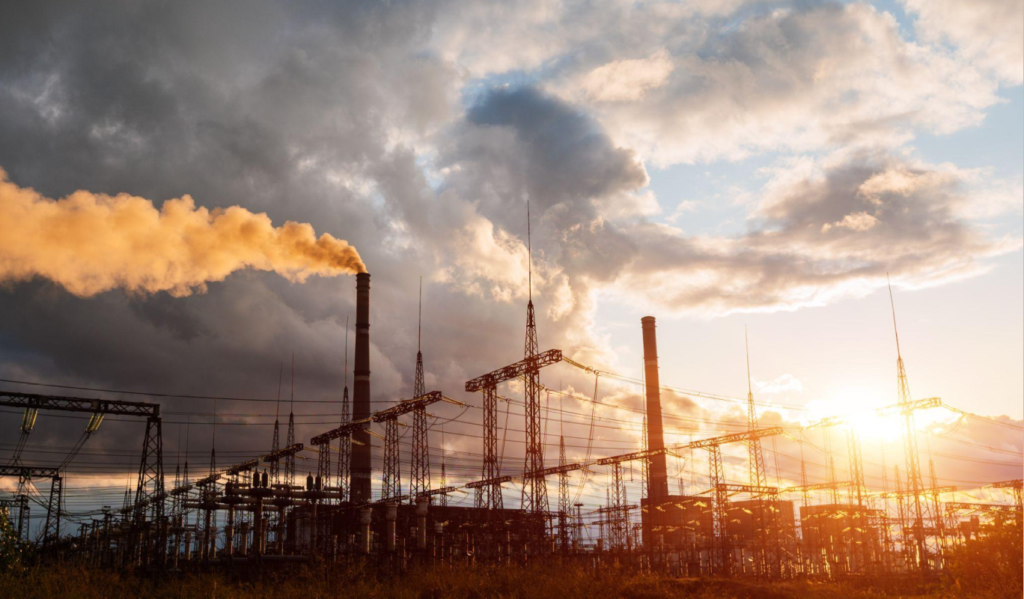
Accelerating Sustainability Goals with Digital Twin Technology     Amid mounting expectations from investors, regulators, customers, and various stakeholders regarding environmental, social, and governance matters, sustainability has emerged as a central concern for companies spanning heavy industries. The pursuit of sustainable practices not only aligns with ethical imperatives but also holds significant potential for cost savings and regulatory compliance. However, navigating the complexities of industrial operations while ensuring sustainability goals can be daunting. Fortunately, technological advancements, particularly the advent of Digital Twins, offer a transformative solution to address these challenges. Industrial operations inherently involve intricate processes, from production to supply chain management, each contributing to environmental impact. Traditional monitoring and optimizing methods often fall short of providing comprehensive insights and actionable strategies. This leaves operations and sustainability leaders with the growing challenge around error-prone ESG data, ineffective tracking, tedious manual calculation and reporting processes, and the inability to track against enterprise ESG goals. With rapidly evolving reporting requirements and regulation updates, the need for accurate and  centralized ESG data and insights becomes increasingly important. With the right innovative technology, organizations can unlock hidden profits and accelerate sustainability goals while reducing the time and resources required for ESG monitoring and reporting.     Enter Digital Twins, an innovative technology revolutionizing industrial operations. These virtual replicas of physical assets and processes provide a holistic view of industrial systems, enabling real-time monitoring, analysis, and optimization. By integrating data from various sources, including IoT sensors, machine learning algorithms, and historical records, Digital Twins offer unparalleled insights into operational performance and environmental impact. One of the primary challenges faced by sustainability and operations leaders is the lack of visibility across the entire industrial ecosystem. Siloed data and disparate systems hinder the ability to make informed decisions that drive sustainability initiatives. Digital Twins bridge this gap by aggregating data from disparate sources into a unified platform, providing a comprehensive understanding of the interdependencies within the industrial environment.   Learn how Digital Twins can accelerate your sustainability efforts Connect with an Expert Furthermore, sustainability goals often require a delicate balance between competing objectives, such as reducing energy consumption without sacrificing production output. Traditional optimization approaches may overlook these nuances, leading to suboptimal outcomes. Digital Twins, equipped with advanced analytics capabilities, offer predictive insights and scenario analysis, empowering leaders to identify optimization opportunities while considering multiple constraints and objectives. In addition to enhancing sustainability efforts, Digital Twins play a crucial role in improving operational efficiency. By simulating different operational scenarios and conducting virtual experiments, organizations can identify inefficiencies, mitigate risks, and optimize resource utilization. Moreover, real-time monitoring capabilities enable proactive maintenance, reducing downtime and enhancing asset reliability.     Realizing the full potential of Digital Twins requires a concerted effort from stakeholders across the organization. Collaboration between sustainability, operations, IT, and engineering teams is essential to ensure the seamless integration of technology into existing workflows. Moreover, investing in employee training and change management initiatives is crucial to fostering a culture of innovation and continuous improvement. In conclusion, the challenges faced by sustainability and operations leaders in today’s industrial landscape are multifaceted and complex. However, technology, particularly operational Digital Twins, offers a promising solution to address these challenges effectively. By providing a holistic view of industrial systems, enabling data-driven decision-making, and facilitating optimization efforts, Digital Twins empower organizations to achieve their sustainability goals while enhancing operational efficiency. Embracing this transformative technology is not only a strategic imperative but also a moral obligation toward building a more sustainable future, for both facility operations and the world around us

Accelerating Sustainability Goals with Digital Twin Technology Read More »

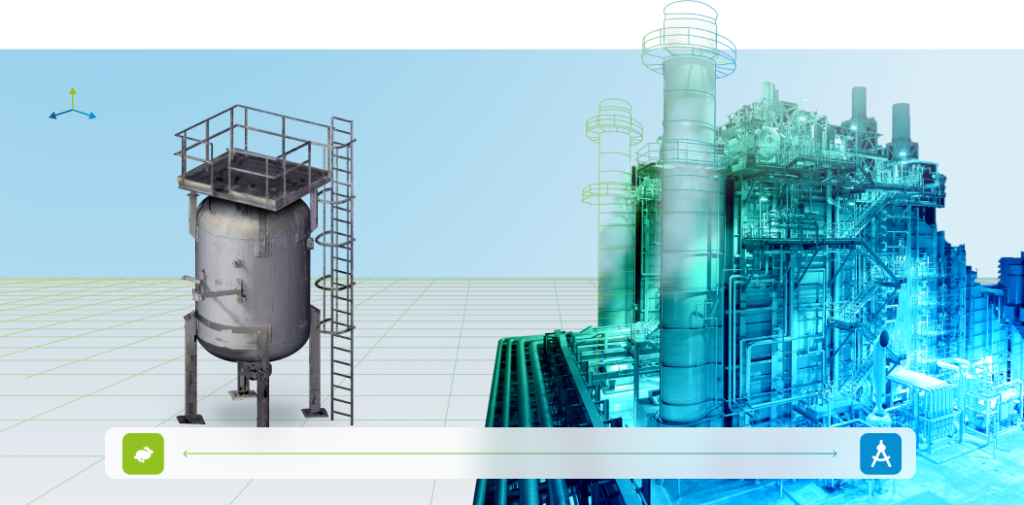
Mesh modeling to operational 3D Digital Twins

Faster speed-to-market with new mesh modeling capabilities

Faster speed-to-market with mesh modeling capabilities Visionaize Inc., makers of fully operational 3D Digital Twins that help owners and operators of complex facilities operate with greater efficiency and safety, have introduced Mesh Maker, a new feature that brings a new level of speed to market for anyone looking to turn scan data into quick, 3D visualizations.   The new functionality creates a distinct advantage and unique solution set as now Visionaize offers both rapid mesh modeling and one of the most advanced operational 3D Digital Twin solutions on the market. “We’re known for our 3D Digital Twins – specifically our ‘maintain and extend’ capabilities,” says Vikas Agrawal, CEO of Visionaize, referring to Visionaize’s unique abilities to keep Digital Twins in sync with twins in the field and enable new use cases, over time.      He adds, “With the mesh modeling function, we are complementing sophistication with speed, giving our customers the ability choose from a mix of modeling approaches to squarely fit the task at hand.”  This results in faster model creation, and better use of time and resources.   3D Digital Twin thought leader and Visionaize’s EVP Digital Twin, David Reinhart, added, “For parts of structures that require precision, you can leverage our more sophisticated modeling capabilities. But we recognized that for other parts of the structures, speed may be more important. With our mesh capabilities, our customers can now have the best of both worlds.”   Learn more about Visionaize’s mesh modeling capabilities at visionaize.com.  To learn how to leverage the new mesh modeling functionality and how it fits into the full spectrum of Visionaize’s advanced 3D visualization capabilities, connect with an expert today.  

Faster speed-to-market with new mesh modeling capabilities Read More »

How an operational 3D Digital Twin gets built​

Part 2 of the 4 part series: Digital Twins through the full lifecycle How an operational 3D Digital Twin gets built In Part 1 of our series, we emphasized the importance of fidelity of a 3D Digital Twin model: that is, that the model remains a true-to-life digital mirror of the world, and that fidelity be maintained throughout the long life of the operation or collection of assets.    Here, we delve into the process for making the twin operational. That is, how do we move beyond the static, one-time output of a design / construction phase into a useful operational tool that benefits a wide number of operational users? To make it operational the 3D Digital Twin must: Connect to all data sources of record about the asset/process.  In fact, it should BECOME the system of visual record associated with the asset records. Augment and complement (not replicate) the data in those systems. Establish a fit-for-purpose level of accuracy and precision for the use it will be put to.  Integrate into and participate in the wider data ecosystem – the data and analytics platform where asset, operations, supply chain analytics and machine learning is being done.  Stay in sync with the world – a world that is bound to change over time. Having considered what a good operational 3D Digital Twin must do, let’s set about describing the process to build it.  Building the Foundation   The starting point for 3D Digital Twin models is to survey and collect all previous digitized inputs that have potential to jump-start the process of building the initial model. From there, two main techniques are employed: Importing existing 3D CAD engineering models, and then updating those models to reflect real-world gaps, variances, and changes. When 3D CAD models are not available, reality capture methods are used to create the visual input and “fill in the gaps” where other models lack coverage: laser scanners, LIDAR, drones, and other devices can capture the visual data necessary to create the model foundation. Almost certainly, building the foundation will require a combination of both. The second, ongoing reality capture will be an important part of the operational program for maintaining the 3D Digital Twin. (See the 3rd Blogpost on the process for maintaining the 3D Digital Twin).  Many companies have already dabbled in reality capture efforts over time, without completing the full process needed to build a plant-wide 3D digital twin. Those efforts should not be discarded. This “never throw anything away” approach allows for the incremental building out of the model, rather than requiring one to build out the entire plant in a “big bang.” Once the previous and current inputs for collecting the digital visual input are completed, a good model build process uses AI, and human-assisted automated processes for stitching the inputs together, create an integrated, complete, and coherent visual foundation for the Digital Twin. Reality capture methods have changed over time, and the cost and level of effort have decreased over time, as have the level of artificial intelligence that can be applied in splicing together the image data to form a coherent whole. As emphasized in its Reality Capture webcast, the Digital Twin Consortium reviewed considerations for selecting the capture method and devices used, level of precision and other factors. Establishing a robust reality capture program is an important part of the digital maintenance program for the 3D Digital Twin. “Intelligizing” the Twin   Once a foundation is built, AI-powered processes “intelligize” the model: using the information from asset master systems, highly precise attach points called tags are created, and accurate asset, process, and other attribute labeling is added. These tags become the conduit through which relevant data can flow, providing a highly intelligent, spatially aware visual scene that can be manipulated and used in a variety of ways. Tags are also the integration points for data tools, including data and AI platforms. Connecting the Twin   Next, the 3D model is exposed and attached to data sources in two principal ways: Connecting directly to enterprise systems of record and operational systems through API’s and connectors; these near-real time connections can be bi-directional, with the ability to “write-back” to systems of record. Live, real time integration to data and analytics platforms: data warehouses, data lakes, AI and machine learning  These connections allow the 3D digital twin to display highly intelligent AI-generated insights, predictions, and recommended actions. An important distinction here:  data connections tend to cause replication of data, which leads to complexity and additional efforts to sort out which is the correct version.  The 3D digital twin should reference and reflect these systems of record. Rather than replicating the data it is displaying, it merely reflects operational data in a visual context.    Immersion into the Industrial Metaverse with AR and VR Once the fully operationalized 3D model is built, it can be used and consumed in many ways, depending on the job role of the user. Of course, operations teams, inspection teams, and other engineering or plant personnel can view the model from their laptop or take it in the field with them on mobile devices. Exciting new ways to use these models involve connecting Augmented Reality and Virtual Reality devices to allow users to experience their data while walking around through the virtual plant floor. Training, rehearsal of complex process, and evaluation of future changes being contemplated are all situations that are driving more and more AR/VR type usage of the 3D Digital Twin. 3D Digital Twins can visualize data from source such as: Manufacturing Execution Systems (MES) Geographical Information Systems (GIS)  Engineering Document Management Systems (EDMS), for P&IDs and isometric drawings Data historians Computerized Maintenance Management Systems (CMMS) IIoT sensors Live video or image feeds Interactive manuals and training videos How to get started   As manufacturers and other operations leaders build a more and more connected digital world model for their operations, a 3D visual digital twin can be a foundation on which better remote management, more

How an operational 3D Digital Twin gets built​ Read More »

Smart Cities

IoT and Digital Twins: Revolutionizing Smart City Management

IoT and Digital Twins: Revolutionizing Smart City Management As the world continues to urbanize and cities become more complex, the need for efficient and effective management of resources becomes more pressing. This is where the concept of Smart Cities comes into play. Smart Cities leverage the latest technologies and innovations to create an integrated, connected, and sustainable urban environment. One of the key technologies that enable Smart Cities is the Internet of Things (IoT), which allows for the collection and analysis of real-time data from sensors and devices throughout the city. Another critical technology is the use of 3D digital twins, which can provide a virtual representation of the physical city and its assets.   In this article, I’ll explore how IoT and 3D digital twins can work together to create a more efficient and sustainable Smart City.Consolidating and updating the 3D digital twin of a Smart City is crucial for maximizing its potential value. Having a unified and trusted 3D twin means that all stakeholders, including city planners, administrators, and citizens, have access to the same accurate and up-to-date information. With a single source of truth, stakeholders can make informed decisions based on consistent and reliable data, leading to increased efficiency, productivity, and sustainability. Some of the top benefits of using a 3D digital twin in the context of a smart city include: Improved decision-making: A 3D digital twin provides a comprehensive and accurate representation of a city’s infrastructure, allowing stakeholders to make informed decisions based on reliable data. By consolidating all data from various sources into a single 3D model, decision-makers can gain a better understanding of the city’s assets, operations, and potential issues. This allows them to identify opportunities for optimization, improve urban planning, and address issues such as traffic congestion, environmental sustainability, and public safety. Enhanced collaboration: A 3D digital twin enables collaboration among various stakeholders, including city planners, engineers, contractors, and citizens. By providing a unified and easily accessible platform for data sharing, a digital twin can streamline communication and facilitate cooperation. This can lead to more effective planning, design, and implementation of urban infrastructure projects, as well as improved engagement with citizens. IoT and Digital Twins: Revolutionizing Smart City Management Efficient resource management: By using a 3D digital twin to monitor and analyze the performance of city infrastructure, stakeholders can identify areas where resources are being underutilized or wasted. This allows them to optimize resource allocation, reduce costs, and improve operational efficiency. For example, by using data from sensors to monitor traffic flow, city planners can optimize traffic light timings to reduce congestion and improve travel times. Similarly, by analyzing energy usage data, city managers can identify areas of high consumption and develop strategies to reduce energy waste and lower costs.   For the supply chain manager, a digital twin system of systems can quickly become the most valuable member of the team for many reasons. The digital twin interface allows managers to see what is happening across multiple points and processes in a supply chain in real-time. It can call out potential disruptions or delays before they happen and intelligently predict the best solution with its advanced AI capabilities, allowing users to meet their goals even in today’s turbulent market and global supply chain environment. Digital twins can be programmed to monitor a company’s desired KPIs and suggest adjustments in real-time to avoid costly mistakes and keep performance on track. The remote visual monitoring capabilities allow operations to be planned, executed, and monitored with more safety, accuracy, and efficiency because complex plans can be simulated and observed without physically having to be on-site. Supply chain digital twins are designed to create a clear path to the most efficient and profitable course of action for companies under an infinite number of possible challenges or circumstances. A consolidated 3D digital twin can provide a more comprehensive understanding of the physical city and its assets, including buildings, infrastructure, and transportation. This can lead to improved planning and scheduling of maintenance and repairs, as well as more efficient use of resources. For example, by having a complete understanding of the location and condition of assets and equipment within the city, maintenance staff can avoid redundant inspections or unnecessary repairs, reducing costs and downtime.In a Smart City, IoT sensors and devices can provide real-time data on everything, from traffic flow and air quality to energy usage and waste management. This data can be integrated into the 3D digital twin, providing a holistic view of the city’s current status and enabling stakeholders to make data-driven decisions. For example, city planners can use real-time traffic data to optimize traffic flow and reduce congestion, while waste management authorities can use data on bin fill levels to optimize waste collection routes.By combining the power of IoT and 3D digital twins, Smart Cities can become more efficient and sustainable, For example, city administrators can use real-time data from IoT sensors to identify areas where energy consumption can be reduced, and then use the 3D digital twin to simulate and test different scenarios for optimizing energy use. This can lead to reduced energy costs and a more sustainable urban environment. The benefits of IoT and 3D digital twins in Smart Cities extend beyond just operational efficiency., These technologies can also improve the quality of life for citizens. For example, by integrating IoT sensors into public transportation, citizens can receive real-time information on bus or train schedules, reducing wait times and improving their overall transportation experience. Additionally, by integrating data on air quality into the 3D digital twin, city planners can identify areas with high levels of pollution and take action to reduce emissions, improving the health and well-being of citizens. Conclusion In conclusion, the consolidation and updating of the 3D digital twin is crucial for Smart Cities to maximize their potential value. By combining the power of IoT and 3D digital twins, Smart Cities can become more efficient, sustainable, and citizen-focused. These technologies provide a powerful tool for city planners and administrators to

IoT and Digital Twins: Revolutionizing Smart City Management Read More »

Chiyoda Corporation and Visionaize, Inc. announce partnership on 3D Digital Twin technology

Chiyoda Corporation and Visionaize, Inc. announce partnership on 3D Digital Twin technology Chiyoda Corporation (Chiyoda)*1 is pleased to announce that it has entered into a Memorandum of Understanding (MOU) with Visionaize, Inc. (Visionaize)*2 to jointly seek business opportunities utilizing a 3D digital twin platform.   We have agreed to develop business models for the solution services based on Chiyoda’s engineering with IoT/AI/digital technologies utilizing Visonaize’s 3D digital twin platform to realize optimized plant operation and maintenance.   For sustainable plant operation, it is effective to use a 3D operational digital twin that pairs the real-world plant with its identical digital replica. Connecting this virtual digital twin with real-time and historical data from IoT sensors and operational systems allows plant operators to understand data more quickly from multiple operational systems within the visual context of the plant to make better, faster decisions that are data-driven. This results in improved safety and efficiency as workers execute their daily tasks. For a digital twin to be trusted by plant workers, Model Management of Change (MMOC) is critical to keep the twin up to date as an accurate “as-built” / “as-is” model of the plant and its assets. The cost associated to build and maintain a 3D model of the plant has long been a hurdle for many plant owners in justifying the investment. With this MOU, Chiyoda is now able to offer affordable solutions that minimize this cost and make the most out of Chiyoda’s engineering and technologies. “With this collaboration, we have finally realized the long-awaited ultimate solution for providing an immersive experience for plant owners, which has the potential to transform their entire O&M activities.”, said Toru Yoneyama, New Business Development Section Leader of Chiyoda.   “We are thrilled to join forces with Chiyoda to deliver this exciting new immersive solution that helps operational teams quickly gain insights from real-time and historical data to make better, faster decisions that optimize plant O&M activities and improve worker safety.” said Brian Hall, Vice President Global Alliances of Visionaize.   *1 About Chiyoda I. Headquarters: 4-6-2, Minatomirai, Nishi-ku, Yokohama, Japan II. Main Business: Integrated engineering including consulting, planning, engineering, procurement, construction, commissioning and maintenance for facilities related to gas, electricity, petroleum, petrochemical, chemical, pharmaceutical, antipollution, environment, preservation and other services.Mineral resource exploration and investment, including oil and gas. III. Representative: Mr. Masakazu Sakakida, Chairman of the Board, President & CEO *2 About Visionaize I. Headquarters: 2150 North First Street, Suite 427 San Jose, CA 95131 II. Main Business: Visionaize is focused on building the Industrial Metaverse to help complex industrial facilities operate more safely and efficiently thereby saving lives, maximizing productivity, and reducing carbon emissions. As a global leader of Operational 3D Digital Twin technology, Visionaize is working to drive innovation and realize these important initiatives with leading industrial companies around the world. www.visionaize.com III. Representative: Mr. Vikas Agrawal, Chief Executive Officer  For more information, please contact:Chiyoda CorporationIR, PR & CSR DepartmentURL: https://www.chiyodacorp.com/en/contact/index.php  

Chiyoda Corporation and Visionaize, Inc. announce partnership on 3D Digital Twin technology Read More »

Digital Twin Technology is Transforming Supply Chains | Supply Chain Digital Twins | Visionaize

How Digital Twin Technology is Transforming Supply Chains Digital Twins in the Supply Chain When you think of digital twin technology, the first thing that comes to mind may be a large, industrial asset, such as a power generator. And you would be correct — a digital twin is most often a digitized replica of a physical asset, or set of assets, with a 3-Dimensional visual view of it. The model includes real time data from sensors that measure and monitor the behavior and state of the physical asset(s) the sensors are attached to. It also has the ability to keep itself in sync with changes to the assets over time. This living, learning digital twin provides many advantages in industrial and manufacturing industries that have been covered in “The Importance of True-to-Life 3D Digital Twins“. Digital twins at the asset level, at the facility level (multiple assets, connected in systems), are most common today. But digital twin technology can also be used to systems of interconnected facilities, that can help manage, visualize, and monitor complex systems, including supply chains.   This system of systems approach, depicted in Figure 1, is an emerging approach for organizing and integrating supply chain monitoring and prediction, being labelled a Supply Chain Digital Twin. What is a Supply Chain Digital Twin? Today’s supply chain managers are working in an incredibly fast-paced environment. Many global factors have contributed to unprecedented pressure on modern supply chains. Successfully managing these complicated systems demands that decision-makers have real-time data and insight into what is happening at any given point in the entire supply chain continuum. The ability to forecast multiple outcomes from any number of hypothetical “if-then” decisions is also imperative for supply chain managers to make the best decisions possible. What is being referred to as a supply chain digital twin, is a combination of advanced analytics (or Artificial Intelligence), data visualization, and 3D Visualization technology, implemented in concert to meet each of these critical needs.   A supply chain digital twin is one that is implemented at the System of Systems level, to provide a highly detailed, dynamic simulation of supply chain performance from start to finish, with the added benefit of being able to “zoom in” to the individual nodes in the network, where visualizing the systems of assets can be used to aid operations, monitor remotely, and allow workers to do more remotely. Powered by AI technology and highly advanced analytics, these digital twins process, manage, and visualize tremendous amounts of data — from what is happening supply network-wide, what is going on at the individual facility level, down to the exact location of a specific shipping container and for sophisticated organizations, even the contents of the shipping container. This capability offers supply chain managers an extremely detailed report of the current state of their operation. They also serve decision-makers with the ability to understand data in context, run many more number of predictive scenarios, and benefit from live data visibility in real-time. Advantages of a Digital Twin in Supply Chain Management For the supply chain manager, a digital twin system of systems can quickly become the most valuable member of the team for many reasons. The digital twin interface allows managers to see what is happening across multiple points and processes in a supply chain in real-time. It can call out potential disruptions or delays before they happen and intelligently predict the best solution with its advanced AI capabilities, allowing users to meet their goals even in today’s turbulent market and global supply chain environment. Digital twins can be programmed to monitor a company’s desired KPIs and suggest adjustments in real-time to avoid costly mistakes and keep performance on track. The remote visual monitoring capabilities allow operations to be planned, executed, and monitored with more safety, accuracy, and efficiency because complex plans can be simulated and observed without physically having to be on-site. Supply chain digital twins are designed to create a clear path to the most efficient and profitable course of action for companies under an infinite number of possible challenges or circumstances. The Future of Digital Twins in the Supply Chain The issues impacting the global supply chain make digital twins more important than ever in supply chain management. As observed by Nexxiot, using “…a digital twin, companies can test predicted supply chain shifts and bridge weaknesses before they occur in the real-world.. No surprise then that “…62% of businesses plan to implement digital twin technology in the coming years.” (Gartner)   A digital twin’s ability to make the reams of supply chain information coming from so many systems more usable and more understandable makes them a useful tool in preventing supply chain disruptions and breakages before they occur, as well as making supply chain operations safer and more predictable. More and more supply chain managers are taking notice. With ever-developing advances in AI technology and the optimization of digital twin integration throughout the supply chain, the future of digital twins in supply chain management is dynamic and exciting. V-Suite, designed to be the most connected and intelligent digital twin on the market, is on the cutting-edge of these exciting advances. Conclusion Digital twins offer numerous advantages in supply chain management.  Their ability to model, and put into visual context many systems, and navigate from the asset, system and system-of-systems level makes them an aid to operations, safety, and efficient operations in the supply chain. When implemented as complementary to the advanced analytics, and data generated from supply chain operations systems, digital twins allow for organizations to understand and utilize a great amount of data produced by supply chain applications, allowing stakeholders to make better decisions, and execute those actions with more certainty of success with less financial, or physical risk. Digital twin technology is quickly becoming the state-of-the-art in managing supply chains.

Digital Twin Technology is Transforming Supply Chains | Supply Chain Digital Twins | Visionaize Read More »

How Do Digital Twins Reduce Carbon Emissions?

How Do Digital Twins Reduce Carbon Emissions? Learn how digital twin technology may reduce carbon emissions across different industries. Learn more about Visionaize and its groundbreaking digital twin technology. Introduction Digital twins are increasingly visible in the manufacturing, industrial and engineering sectors thanks, in part, to the role they play in reducing carbon emissions. Because a digital twin is a virtual recreation of an asset, or a system of assets, its ability to monitor equipment and reduce human time spent in the field, and the associated travel emissions produced, is a huge energy-saving advantage. Every part of an asset is virtually monitored with a simple data interface, allowing operators to simulate different if-then scenarios and choose the solution that creates the least environmental impact. Digital twins also have energy-saving community planning and asset production advantages as well. Reduce Trips into the Field Minimizing human-asset interactions reduces carbon emissions by automating many labor-intensive asset maintenance tasks and reducing trips into the field. By identifying any unseen issues precisely at the source, the amount of time workers must spend interacting with asset components is greatly minimized. In some cases, digital twins work alongside specialized robots to repair assets that otherwise would have required hands-on troubleshooting. This creates energy-saving efficiencies for both preventative and emergency asset maintenance.   Reducing time in the field has a substantial ripple effect on the reduction of a company’s carbon footprint. Many complex assets are positioned in remote areas, whether it’s an oil-drilling platform in the middle of the ocean or a manufacturing plant hundreds or thousands of miles from a company’s headquarters. This often requires carbon-heavy modes of travel whenever a trip to the field is warranted. Digital twins dramatically cut the carbon output from air, truck, and vehicular travel by eliminating many trips by digitally monitoring situations that previously required hands-on, in-the-field labor. Efficient Solutions Because a digital twin can be used to simulate different asset management decisions, operators can evaluate the outcomes of different solutions without investing actual resources into a potential solution. This includes the ability to analyze different levels of carbon emissions caused by different scenarios. This is both a cost-effective and energy-efficient way to manage and evaluate the risks associated with different applications of the asset. Preventative Maintenance Improves the Life Cycle of An Asset Having accurate historical data on the repairs and maintenance for any given asset is essential to maintaining functionality and extending its serviceable life. Being able to make precise repairs may extend the life of an asset significantly. Having access to this historical data also allows companies to make comparative analyses of their assets and make the most informed decisions about when an asset’s energy demand or carbon output is too great and the asset must be retired. Digital Twin Technology Creates Smarter Assets and Processes The spatial data rendered by a digital twin is being used in industries to design the next generation of assets and the systems that will operate within these new machines and structures. This data-rich, robust design environment is ideal for identifying solutions and creating the most energy-efficient structures and systems. Tesla, for example, uses digital twins in the vehicle development process to produce the best, most efficient vehicle. Community-Level Applications Digital twins can effectively simulate entire ecosystems, including your community! Creating virtual clones of cities, and replicating energy consumption and carbon emissions data, can identify opportunities to improve energy efficiency at the city-planning level. Communities in the UK are already investing in this technology, with promising results! Conclusion Digital twins have both small-scale and community-level advantages in reducing carbon emissions. As digital twin technology becomes more and more commonplace in a greater number of applications, we can expect to see its ability to create energy efficiencies and a positive environmental impact continue to grow.

How Do Digital Twins Reduce Carbon Emissions? Read More »