Contact Form 7

Webinar Insights

Unlocking the Future of Energy with Gen-AI: Insights from Visionaize’s Latest Webinar

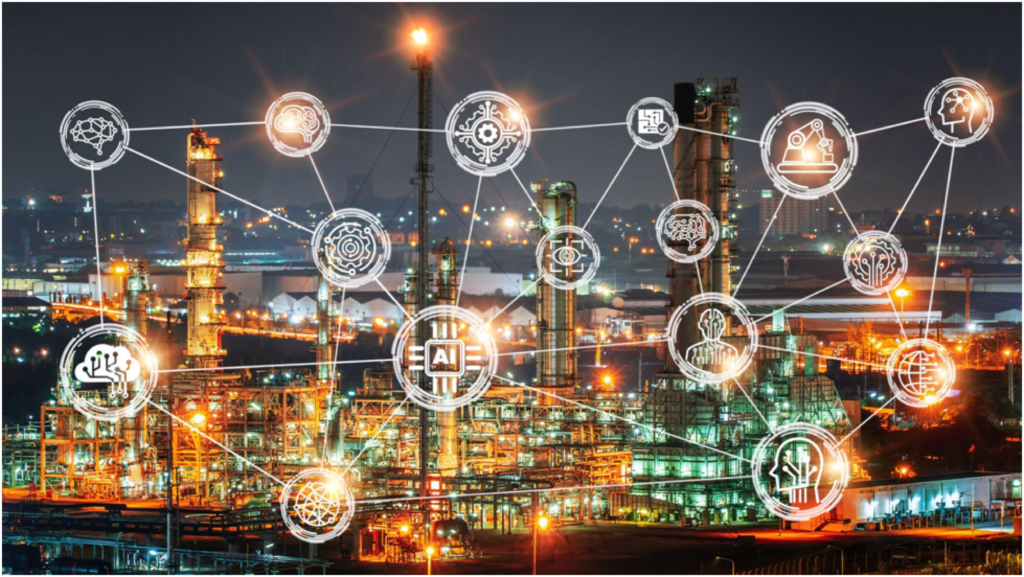
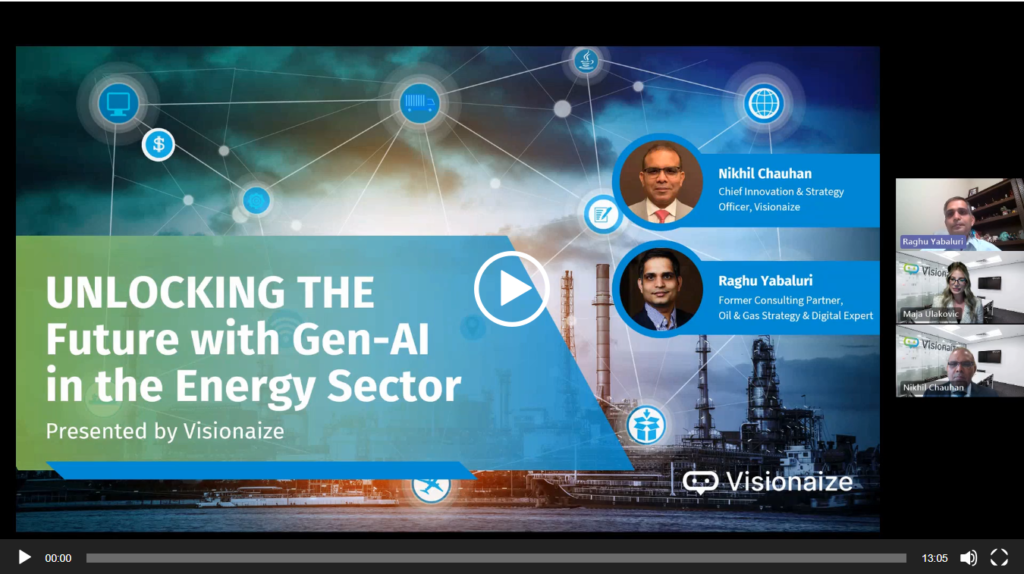
Unlocking the Future of Energy with Gen-AI: Insights from Visionaize’s Latest Webinar We’re thrilled to share a key segment from our recent webinar, Unlocking the Future with Gen-AI in the Energy Sector. During this engaging session, we delved into the transformative potential of emerging technologies and how Gen-AI is reshaping the landscape of heavy industries by driving digital transformation. Our featured speakers, Nikhil Chauhan, Visionaize’s Chief Innovation and Strategy Officer, and Raghu Yabaluri, a seasoned Consulting Partner, brought invaluable expertise to the discussion. With over 25 years of leadership in digital and AI across the oil & gas and industrial sectors, Nikhil shared his perspective on harnessing advanced technologies to achieve operational excellence. Raghu, an expert in integrating AI and ML to boost efficiency and support decarbonization, provided strategic insights into overcoming key industry challenges. In the video clip, Nikhil and Raghu address some of the critical issues surrounding AI today, such as adoption hurdles, demonstrating success, security, accountability, and cost management. Their conversation highlights actionable strategies for organizations aiming to embrace digital transformation and unlock new opportunities for growth.  

Unlocking the Future of Energy with Gen-AI: Insights from Visionaize’s Latest Webinar Read More »

A Beginner’s Guide to Anomaly Detection in Machine Learning for Heavy Industry

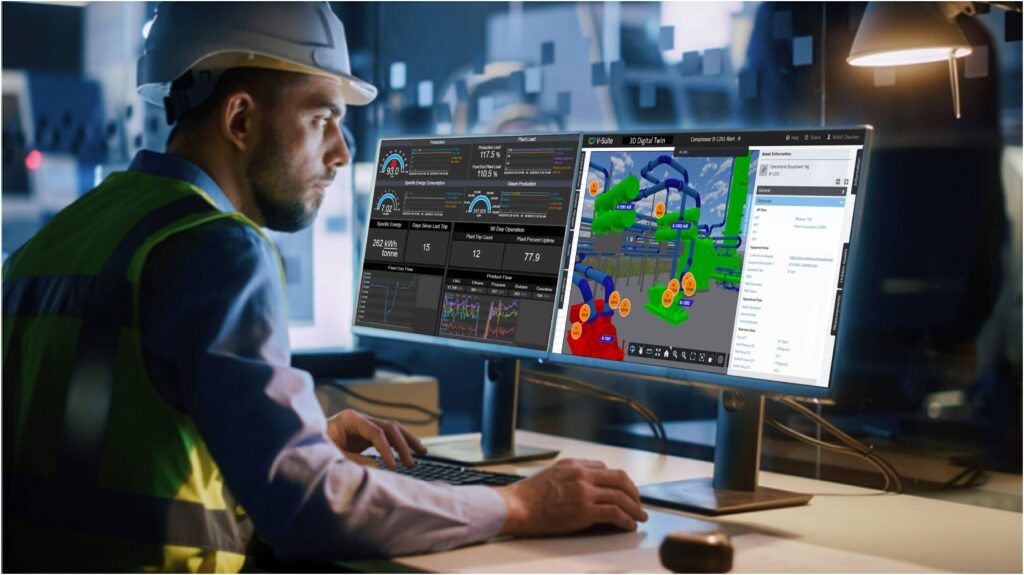
A Beginner’s Guide to Anomaly Detection in Machine Learning for Heavy Industry In the rapidly evolving world of Industry 4.0, anomaly detection in machine learning is becoming a game-changer. As industries move toward digitization, maintaining equipment efficiency and process integrity is critical. This is where anomaly detection powered by machine learning steps in, making it possible to proactively monitor systems and detect issues before they escalate into costly failures. Anomalies, also known as outliers, are data points or patterns that deviate significantly from the normal distribution of data. In industrial applications, anomalies can indicate potential system malfunctions, security breaches, or other abnormal behaviors. For example, a sudden spike in temperature within a processing unit or an unexpected drop in pressure could signal a looming failure or system wear. Anomaly detection machine learning models are designed to learn from historical data and understand what “normal” behavior looks like. By learning the expected patterns and behaviors, these models can then detect deviations from the norm in real-time. Essentially, this involves using algorithms to analyze data and identify instances that do not align with established trends. The key to effective anomaly detection lies in the use of robust data and algorithms. Common techniques include supervised learning, where models are trained with labeled datasets to predict anomalies, and unsupervised learning, which relies on clustering algorithms like K-Means and Isolation Forests to flag unexpected deviations. For cases with limited labeled data, semi-supervised learning offers a hybrid approach, enhancing detection accuracy. Industries ranging from manufacturing and oil & gas to power generation are increasingly relying on anomaly detection machine learning models to ensure operational efficiency. Predictive maintenance is a prime example, where machine learning continuously monitors equipment data like temperature, vibration, and pressure to identify early signs of potential failures. This reduces unplanned downtime and extends the lifespan of assets. In manufacturing, quality control can be improved by detecting defective products early in the production process, saving substantial costs. Likewise, for industries managing large-scale energy consumption, real-time monitoring of power usage and detecting anomalies can prevent inefficiencies and lower costs.   The integration of 3D digital twins with anomaly detection machine learning models has further enhanced industrial monitoring capabilities. Digital twins act as virtual replicas of physical assets, processes, or systems, enabling continuous monitoring and simulation of asset behavior. By comparing real-time data against a digital twin, industries can detect subtle deviations and respond quickly to emerging issues. This synergy between digital twins and anomaly detection models allows for proactive maintenance and greater operational resilience.   As industries embrace digital transformation, the importance of anomaly detection cannot be overstated. With the explosion of IoT sensors and the increasing complexity of industrial processes, manual monitoring becomes impractical. Machine learning enables scalable, accurate, and proactive anomaly detection, minimizing risks and optimizing operations. In summary, anomaly detection in machine learning is revolutionizing how industries monitor and maintain their assets. By leveraging digital twins and machine learning algorithms, companies can predict issues before they occur, saving time and resources. For organizations looking to stay ahead in Industry 4.0, investing in robust anomaly detection strategies is a must. By focusing on the synergy between anomaly detection and 3D digital twins, industries can enhance their operational resilience and unlock hidden opportunities in their data.

A Beginner’s Guide to Anomaly Detection in Machine Learning for Heavy Industry Read More »

The Role of AI in Oil and Gas: Transforming Operations with 3D Digital Twins and Generative AI

How 3D Digital Twins and Generative AI Accelerate Industrial Decarbonization   In an era where sustainability is a competitive advantage, industrial decarbonization has become an urgent priority for businesses across manufacturing, energy, and other heavy industries. The transition to greener operations is essential not just to meet regulatory demands but also to reduce costs and future-proof businesses against environmental risks. Leveraging advanced technologies like generative AI and 3D digital twins, companies can unlock new pathways to decarbonize while adding measurable value to their operations. Industrial Decarbonization: Why It Matters   Industries account for a significant portion of global carbon emissions, making decarbonization a critical focus for achieving climate goals. Reducing emissions not only helps combat climate change but also improves operational efficiency, lowers energy consumption, and reduces waste, contributing directly to cost savings and long-term sustainability.   How Generative AI and 3D Digital Twins Drive Decarbonization   Optimizing Energy Efficiency Energy consumption is one of the largest contributors to carbon emissions in industrial operations. Generative AI, when integrated with real-time data from 3D digital twins, can analyze patterns in energy use and identify inefficiencies across the entire production process. This allows businesses to implement more energy-efficient practices that reduce waste and cut down on carbon emissions, while also lowering operational costs.   Predictive Maintenance for Equipment Longevity Predictive maintenance, powered by generative AI, plays a vital role in decarbonization efforts by ensuring that industrial equipment runs efficiently with minimal downtime. This helps avoid energy waste due to poorly performing machinery, as AI-driven insights can predict failures before they happen, preventing both energy losses and costly repairs. Fewer breakdowns mean smoother operations and a more sustainable use of resources.   Process Simulation and Optimization Generative AI, combined with 3D digital twin technology, can simulate various production scenarios and process changes, enabling businesses to experiment with decarbonization strategies in a virtual environment. This allows decision-makers to test emissions-reduction methods, from equipment retrofits to operational adjustments, without disrupting actual production. With optimized processes in place, companies can reduce emissions while maintaining—or even improving—output and product quality.   Carbon Capture and Storage (CCS) Efficiency Carbon capture and storage (CCS) technologies are critical tools in industrial decarbonization, and generative AI enhances their efficiency. By modeling the entire carbon capture process through digital twins, companies can identify optimal locations for capture units, refine operational performance, and maximize storage capacity. This results in a more streamlined, scalable approach to CCS, making it more cost-effective and impactful in reducing overall carbon emissions.   Realizing the Value of Decarbonization   Industrial decarbonization is about more than just meeting compliance requirements. It’s an opportunity to unlock operational efficiency, drive down costs, and position your business as a leader in sustainability. By leveraging generative AI and 3D digital twins, industries can not only meet their emissions reduction targets but also add real value to their operations through smarter, more sustainable processes. As global demand for decarbonization accelerates, forward-thinking businesses must embrace innovative technologies that enable smarter decision-making and greater efficiencies. The integration of generative AI and 3D digital twins provides the intelligence and precision needed to reduce carbon emissions while ensuring continued growth and competitiveness in an evolving industrial landscape. Sustainable value is no longer a distant goal—it’s a tangible, achievable reality with the right technology in place.

The Role of AI in Oil and Gas: Transforming Operations with 3D Digital Twins and Generative AI Read More »

How 3D Digital Twins and Generative AI Accelerate Industrial Decarbonization

How 3D Digital Twins and Generative AI Accelerate Industrial Decarbonization   In an era where sustainability is a competitive advantage, industrial decarbonization has become an urgent priority for businesses across manufacturing, energy, and other heavy industries. The transition to greener operations is essential not just to meet regulatory demands but also to reduce costs and future-proof businesses against environmental risks. Leveraging advanced technologies like generative AI and 3D digital twins, companies can unlock new pathways to decarbonize while adding measurable value to their operations. Industrial Decarbonization: Why It Matters   Industries account for a significant portion of global carbon emissions, making decarbonization a critical focus for achieving climate goals. Reducing emissions not only helps combat climate change but also improves operational efficiency, lowers energy consumption, and reduces waste, contributing directly to cost savings and long-term sustainability.   How Generative AI and 3D Digital Twins Drive Decarbonization   Optimizing Energy Efficiency Energy consumption is one of the largest contributors to carbon emissions in industrial operations. Generative AI, when integrated with real-time data from 3D digital twins, can analyze patterns in energy use and identify inefficiencies across the entire production process. This allows businesses to implement more energy-efficient practices that reduce waste and cut down on carbon emissions, while also lowering operational costs.   Predictive Maintenance for Equipment Longevity Predictive maintenance, powered by generative AI, plays a vital role in decarbonization efforts by ensuring that industrial equipment runs efficiently with minimal downtime. This helps avoid energy waste due to poorly performing machinery, as AI-driven insights can predict failures before they happen, preventing both energy losses and costly repairs. Fewer breakdowns mean smoother operations and a more sustainable use of resources.   Process Simulation and Optimization Generative AI, combined with 3D digital twin technology, can simulate various production scenarios and process changes, enabling businesses to experiment with decarbonization strategies in a virtual environment. This allows decision-makers to test emissions-reduction methods, from equipment retrofits to operational adjustments, without disrupting actual production. With optimized processes in place, companies can reduce emissions while maintaining—or even improving—output and product quality.   Carbon Capture and Storage (CCS) Efficiency Carbon capture and storage (CCS) technologies are critical tools in industrial decarbonization, and generative AI enhances their efficiency. By modeling the entire carbon capture process through digital twins, companies can identify optimal locations for capture units, refine operational performance, and maximize storage capacity. This results in a more streamlined, scalable approach to CCS, making it more cost-effective and impactful in reducing overall carbon emissions.   Realizing the Value of Decarbonization   Industrial decarbonization is about more than just meeting compliance requirements. It’s an opportunity to unlock operational efficiency, drive down costs, and position your business as a leader in sustainability. By leveraging generative AI and 3D digital twins, industries can not only meet their emissions reduction targets but also add real value to their operations through smarter, more sustainable processes. As global demand for decarbonization accelerates, forward-thinking businesses must embrace innovative technologies that enable smarter decision-making and greater efficiencies. The integration of generative AI and 3D digital twins provides the intelligence and precision needed to reduce carbon emissions while ensuring continued growth and competitiveness in an evolving industrial landscape. Sustainable value is no longer a distant goal—it’s a tangible, achievable reality with the right technology in place.

How 3D Digital Twins and Generative AI Accelerate Industrial Decarbonization Read More »

Artificial Intelligence in Oil and Gas: Transforming Industry Operations with 3D Digital Twin and Generative AI

Artificial Intelligence in Oil and Gas: Transforming Industry Operations with 3D Digital Twin and Generative AI   The oil and gas industry is undergoing a significant transformation, driven by the need to enhance efficiency, improve safety, and adopt sustainable practices. In this evolving landscape, artificial intelligence (AI) in oil and gas has emerged as a critical tool, offering powerful solutions to complex operational challenges. AI technologies, when combined with 3D digital twins and generative AI (Gen-AI), provide advanced insights and optimize operational efficiencies, revolutionizing how companies manage their assets and resources. The Strategic Role of AI in Oil and Gas   The application of AI in oil and gas extends beyond technological innovation; it represents a strategic approach to optimizing operations, reducing costs, and minimizing risks. AI algorithms can analyze vast amounts of data to identify patterns, forecast equipment failures, and streamline supply chain logistics. These capabilities result in significant reductions in downtime, improved asset reliability, and substantial cost savings. To realize AI’s full potential, it must be integrated with comprehensive data visualization and analysis frameworks, such as 3D digital twins. This integration allows organizations to unlock the full value of their data assets, providing a dynamic, real-time view of operations and enabling better decision-making.   Enhancing AI with 3D Digital Twin Technology   A 3D digital twin is a virtual representation of a physical asset—such as an offshore platform, refinery, or pipeline—that dynamically reflects real-time data, historical records, and operational conditions. When combined with AI, digital twins become powerful tools for predictive analytics and decision support. Digital twin technology enables oil and gas companies to visualize complex operations in real-time, allowing for proactive issue identification, scenario simulation, and process optimization before any physical action is required. This reduces maintenance costs and downtime while enhancing safety by providing a detailed understanding of potential risks. For example, operators can virtually model the impact of new drilling processes on existing infrastructure using digital twin solutions. AI algorithms then analyze the simulation data to predict possible complications, enabling informed adjustments to mitigate risks.   The Advancements of Generative AI in Oil and Gas   While traditional AI excels in data analysis and predictive modeling, generative AI (Gen-AI) goes further by autonomously developing new solutions, optimizing existing processes, and creating innovative workflows based on specific scenarios. This capability is particularly valuable in the oil and gas sector, where operations are highly complex and interconnected. Generative AI allows oil and gas companies to automate decision-making, enhance predictive maintenance, and generate new strategies for exploration and production. For instance, Gen-AI models can analyze geological and seismic data to identify optimal drilling sites, considering both historical data and predictive insights about future trends.   Key Benefits of AI and 3D Digital Twins for Oil and Gas   Predictive Maintenance: AI-driven analytics predict equipment failures, reducing unplanned downtime and maintenance expenses. Operational Optimization: Simulating various operational scenarios helps optimize workflows, enhancing production efficiency and minimizing waste. Enhanced Safety: AI-powered models identify potential safety hazards, enabling preventive action. Digital twins provide visual representations of safety protocols, aiding in better preparation for real-world scenarios. Sustainability: AI applications help reduce environmental impact by optimizing resource use and minimizing emissions. Digital twins support low-impact drilling and production techniques. Informed Decision-Making: Combining AI insights with real-time data ensures decision-makers have accurate, data-driven information, enhancing strategic and operational decisions. The integration of artificial intelligence in oil and gas is not just an emerging trend but a necessary evolution for modern industry operations. By combining AI with 3D digital twins and generative AI, companies can enhance efficiency, safety, and sustainability, ensuring they remain competitive in a rapidly changing landscape. Visionaize, with its expertise in 3D digital twins and generative AI, provides innovative solutions to help companies navigate this digital transformation, offering the tools and insights needed for improved performance and strategic advantage.

Artificial Intelligence in Oil and Gas: Transforming Industry Operations with 3D Digital Twin and Generative AI Read More »

Enhancing Your Preventative Maintenance Program with 3D Digital Twins and AI

Enhancing Your Preventative Maintenance Program with 3D Digital Twins and AI   In industrial operations, unplanned downtime can lead to significant losses. A robust preventative maintenance program is essential for minimizing disruptions, reducing costs, and maximizing equipment lifespan. At Visionaize, we leverage 3D digital twins and AI to revolutionize preventative maintenance, making it more efficient and data-driven. What is a Preventative Maintenance Program?   A preventative maintenance program involves regularly scheduled inspections and maintenance to prevent equipment failures. Unlike reactive maintenance, which addresses issues after they occur, preventative maintenance is proactive, focusing on early detection to ensure optimal operation.   The Limitations of Traditional Preventative Maintenance   Traditional preventative maintenance often relies on fixed schedules and manual checks, which can be inefficient and error-prone. These methods may lead to over-maintenance or missing critical issues that escalate into costly breakdowns. This is where Visionaize’s 3D digital twin technology, integrated with AI, transforms the maintenance landscape.   How 3D Digital Twins and AI Enhance Preventative Maintenance   Real-Time Monitoring and Analysis   Our 3D digital twin platform provides real-time monitoring of industrial assets, analyzing data from sensors to detect anomalies and potential issues early. This enables maintenance teams to address problems before they escalate, reducing unplanned downtime and costs.   Predictive Maintenance with AI   AI-powered digital twins utilize predictive analytics to forecast equipment failures based on historical and real-time data. This predictive capability allows for condition-based maintenance instead of fixed schedules, optimizing resource use and minimizing unnecessary maintenance.   3D Visualization of Maintenance Activities   Our digital twin technology allows maintenance activities to be visualized in a detailed 3D environment. Teams can simulate scenarios and plan the most effective maintenance strategies, ensuring clear understanding and efficient execution across all stakeholders.   Improved Decision-Making and Collaboration   Effective maintenance requires seamless collaboration. Our platform provides a centralized view of asset conditions, ensuring all stakeholders have access to up-to-date information, and improving decision-making and coordination.   Optimized Inventory Management   With predictive insights, companies can better manage spare parts and inventory, ensuring the right parts are available when needed. This reduces inventory costs and prevents delays due to unavailable parts, enhancing the overall preventative maintenance program.   Benefits of a Digital Twin-Based Preventative Maintenance Program   Reduced Downtime and Costs: Proactively identifying and addressing issues minimizes downtime and reduces costs. Extended Equipment Lifespan: Regular, data-driven maintenance ensures equipment runs efficiently and lasts longer. Improved Safety and Compliance: Early detection of potential issues enhances safety and helps maintain regulatory compliance. Data-Driven Decisions: Real-time insights enable informed decision-making and strategic planning. Increased Operational Efficiency: Optimized scheduling and resource allocation streamline maintenance activities. At Visionaize, we specialize in upgrading preventative maintenance programs with 3D digital twins and AI. Our solutions provide real-time visibility, predictive insights, and actionable intelligence to enhance your operations. Ready to revolutionize your maintenance strategy? Learn more about our predictive maintenance capabilities. https://visionaize.com/solutions/predictive-maintenance/

Enhancing Your Preventative Maintenance Program with 3D Digital Twins and AI Read More »

Unlocking the Power of 3D Digital Twins for Industrial Inspections

Unlocking the Power of 3D Digital Twins for Industrial Inspections   In the industrial sector, where precision, efficiency, and safety are paramount, inspection teams are crucial to maintaining asset integrity and operational continuity. However, traditional inspection methods are manual and resource-intensive. This is where 3D Digital Twins come into play, offering transformative solutions that expedite how inspections are conducted and drive significant value for organizations. What Are 3D Digital Twins?   A 3D Digital Twin is a highly detailed, dynamic digital model of a physical asset or system. Unlike static models, Digital Twins integrate real-time data from sensors, historical records, and operational systems, creating a comprehensive representation of the actual asset. For inspection teams, this technology is a game-changer.   Enhancing Visualization and Accessibility   One of the most significant advantages of 3D Digital Twins is their ability to provide detailed, interactive visualizations of assets. Inspectors can explore every component of an asset in a virtual environment, zooming in on specific areas, rotating views, and even simulating different scenarios.   Improved Accessibility: With 3D Digital Twins, inspection teams can assess assets located in hard-to-reach or hazardous areas without the need for physical presence. This capability not only saves time but also reduces the risk to personnel, enhancing overall safety. Comprehensive Analysis: The detailed visualization allows inspectors to identify potential issues that might be missed during traditional inspections. By examining the asset from multiple angles and in different conditions, teams can gain a deeper understanding of its current state and potential vulnerabilities.   Real-Time Data Integration for Informed Decision-Making   A key feature of 3D Digital Twins is their ability to integrate real-time data from the asset’s sensors and operational systems. This continuous flow of information ensures that the Digital Twin remains an accurate reflection of the physical asset at all times. Proactive Monitoring: Real-time data allows inspection teams to monitor asset performance continuously, detecting anomalies as they occur. This proactive approach enables teams to address issues before they escalate, preventing unplanned downtime and extending the life of critical assets. Data-Driven Insights: The integration of operational data into the Digital Twin provides inspection teams with valuable insights that inform decision-making. Whether it’s predicting when maintenance will be needed or identifying areas for efficiency improvements, the data-driven nature of Digital Twins enhances the accuracy and effectiveness of inspections. Streamlining Collaboration and Communication   3D Digital Twins serve as a single source of truth for all stakeholders involved in the inspection process. This unified platform enhances collaboration across teams and departments, ensuring that everyone has access to the same accurate and up-to-date information. Seamless Communication: With a shared Digital Twin, inspection teams, engineers, and management can collaborate more effectively, discussing findings and making decisions based on a common understanding of the asset’s condition. Enhanced Reporting: The detailed visualizations and data available in the Digital Twin can be used to generate comprehensive reports, making it easier to communicate complex findings to non-technical stakeholders. Maximizing Value with 3D Digital Twins   The adoption of 3D Digital Twins offers profound benefits that translate into significant value for industrial organizations: Increased Efficiency: By reducing the need for physical inspections and enabling remote assessments, Digital Twins streamline the inspection process, saving time and resources. Enhanced Accuracy: The detailed visualizations and real-time data provided by Digital Twins result in more precise inspections, reducing the risk of errors and improving the reliability of asset management strategies. Cost Savings: Early detection of issues through proactive monitoring helps prevent costly repairs and unplanned downtime, leading to substantial cost savings over time. Improved Safety: Minimizing the need for physical inspections in dangerous environments not only protects workers but also ensures compliance with safety regulations. 3D Digital Twins represent a transformative advancement in the field of industrial inspections. By offering detailed visualization, real-time data integration, and enhanced collaboration, these digital replicas empower inspection teams to work more efficiently, accurately, and safely. For organizations, the adoption of 3D Digital Twins is a strategic move that delivers long-term value, optimizing asset management processes and driving operational excellence in an increasingly complex industrial landscape. To learn more about how 3D Digital Twins can improve your operations, check out our V-Plant solutions.

Unlocking the Power of 3D Digital Twins for Industrial Inspections Read More »

Maximizing ROI: The Impact of AI-Driven Asset Management Solutions in Oil and Gas

Maximizing ROI: The Impact of AI-Driven Asset Management Solutions in Oil and Gas   In today’s fast-paced oil and gas industry, where every dollar counts, staying ahead of the curve with innovative technology is more important than ever. What used to be a luxury is now a necessity, especially when it comes to managing the vast and complex assets involved in the oil and gas industry. Among the many technological advancements on the market, AI-driven asset management solutions are proving to be a true game-changer investment, offering a significant ROI The Challenges in Oil and Gas Asset Management   Managing assets in the oil and gas industry isn’t a simple task. With large facilities and tons of equipment, efficient asset management is key to minimizing downtime, cutting costs, and ensuring safety. However, traditional methods often fall short, unable to keep up with the sheer scale and complexity of modern operations. This can lead to inefficiencies, unexpected breakdowns, and less-than-optimal use of resources.   How AI is Changing the Game in Asset Management   AI offers powerful tools to tackle these challenges head-on. AI-driven asset management solutions use advanced algorithms, machine learning, and data analytics to give you real-time insights and predictive capabilities. By crunching huge amounts of data from sensors, historical performance records, and other factors, these solutions can predict when equipment might fail, help you optimize maintenance schedules, and improve your decision-making process.   For example, predictive maintenance can drastically reduce unplanned downtime by predicting equipment issues before they happen. This means you can take action before a problem leads to a costly shutdown.   How AI-Driven Solutions Boost ROI   Integrating AI into your asset management strategy can directly improve your ROI in several key ways: Reduced Downtime: By accurately predicting equipment failures and optimizing maintenance, AI-driven solutions help you avoid unexpected downtime. This means your operations stay efficient, production rates go up, and profits increase. Cost Efficiency: AI helps you get the most out of your resources, whether it’s labor or machinery. This not only cuts down on operational costs but also ensures that your capital is used where it can generate the highest returns. Better Decision-Making: With real-time data and predictive insights, AI empowers you to make smarter, quicker decisions. This agility helps you stay responsive to market changes, regulatory shifts, or any operational hiccups, ensuring your profitability is sustained. Longer Asset Life: AI-driven solutions ensure that your equipment is maintained properly and used within optimal conditions, which can extend the life of your critical assets. This means fewer costly replacements and even better ROI. Organizations that get on board now will be well-positioned to maximize their ROI, maintain a competitive edge, and navigate the complexities of the oil and gas industry with confidence. By focusing on implementing these AI-driven solutions, you’re not just optimizing your current operations—you’re also setting the stage for long-term sustainability and profitability in an ever-changing market.

Maximizing ROI: The Impact of AI-Driven Asset Management Solutions in Oil and Gas Read More »

Digital Twins and AI: A Perfect Match for Predictive Maintenance in Oil and Gas

Digital Twins and AI: A Perfect Match for Predictive Maintenance in Oil and Gas   The oil and gas industry is in the midst of a technological revolution, with digital twinning and artificial intelligence (AI) leading the charge. These cutting-edge technologies are transforming the way companies approach predictive maintenance, enabling more accurate predictions, reduced downtime, and improved operational efficiency. What is Digital Twinning?   Digital twinning refers to the creation of a virtual replica of a physical asset, system, or process. This digital counterpart is an exact representation of its real-world counterpart and is continuously updated with data from sensors and other monitoring devices. In the oil and gas industry, digital twinning allows companies to simulate, analyze, and optimize the performance of complex machinery and infrastructure in real-time. This capability is especially valuable for predictive maintenance, where early detection of potential issues is critical.   How AI Enhances Digital Twinning   Artificial intelligence plays a crucial role in maximizing the potential of digital twinning. By integrating AI with digital twins, companies can leverage advanced analytics, machine learning, and predictive algorithms to gain deeper insights into asset performance. AI enhances digital twins in several key ways:   1. Data Processing and Analysis: AI algorithms can process vast amounts of data generated by digital twins, identifying patterns and anomalies that might be missed by human analysts. This enables more accurate predictions of equipment failures and maintenance needs 2. Predictive Maintenance: AI-driven digital twins use predictive analytics to forecast when and where maintenance is required. By analyzing historical data and real-time inputs, AI can predict potential failures with high accuracy, allowing companies to take proactive measures to prevent downtime. 3. Continuous Learning: AI algorithms continuously learn and improve over time, refining their predictions based on new data. This means that the longer a digital twin is in operation, the more accurate and reliable its predictions become.   Benefits of Digital Twinning and AI for Predictive Maintenance   The combination of digital twinning and AI offers numerous benefits for predictive maintenance in the oil and gas industry:   1. Increased Operational Efficiency: By predicting maintenance needs before they become critical, companies can schedule maintenance activities at the most convenient times, reducing the impact on production and maximizing efficiency. 2. Reduced Downtime: Predictive maintenance driven by digital twinning and AI minimizes unplanned downtime by addressing potential issues before they cause equipment failures. This leads to more reliable operations and significant cost savings. 3. Extended Asset Lifespan: By proactively maintaining equipment based on data-driven insights, companies can extend the lifespan of their assets. This reduces the need for costly replacements and improves the return on investment. 4. Improved Safety: Digital twins provide real-time visibility into the condition of equipment, allowing companies to identify and mitigate safety risks before they escalate. This is particularly important in the oil and gas industry, where equipment failures can have serious consequences. 5. Data-Driven Decision Making:The insights generated by AI-powered digital twins enable more informed decision-making at all levels of the organization. From maintenance teams to executive leadership, everyone benefits from a clearer understanding of asset performance and maintenance needs.   The Future of Predictive Maintenance in Oil and Gas   As the oil and gas industry continues to embrace digital transformation, the role of digital twinning and AI in predictive maintenance will only grow. These technologies are not only improving the reliability and efficiency of operations but also paving the way for more sustainable and cost-effective practices. Companies that invest in digital twinning and AI today will be better positioned to navigate the challenges of tomorrow, ensuring long-term success in a rapidly changing industry.   In conclusion, digital twinning and AI represent a powerful combination for predictive maintenance in the oil and gas sector. By leveraging these technologies, companies can stay ahead of potential issues, optimize their operations, and achieve a competitive edge. The future of predictive maintenance is digital, intelligent, and more promising than ever before.

Digital Twins and AI: A Perfect Match for Predictive Maintenance in Oil and Gas Read More »

Top 5 Benefits of Implementing Preventative Maintenance Software in Oil and Gas Operations

Top 5 Benefits of Implementing Preventative Maintenance Software in Oil and Gas Operations   In the high-stakes environment of oil and gas operations, efficiency, safety, and reliability are paramount. Preventative maintenance software has emerged as a game-changer, offering a proactive approach to equipment management and maintenance. By leveraging advanced analytics, machine learning, and real-time data, this software can predict and prevent equipment failures, ultimately leading to enhanced operational performance. Here, we delve into the top five benefits of implementing preventative maintenance software in oil and gas operations. 1. Increased Equipment Reliability   One of the primary advantages of preventative maintenance software is its ability to significantly enhance the reliability of equipment. Traditional reactive maintenance approaches often result in unexpected breakdowns and costly repairs. In contrast, preventative maintenance software uses predictive analytics to monitor equipment health continuously. By identifying potential issues before they escalate, the software ensures that equipment remains in optimal working condition, reducing the likelihood of unexpected failures.   2. Reduced Operational Downtime   Operational downtime can be incredibly costly in the oil and gas industry, leading to lost production and increased expenses. Preventative maintenance software helps mitigate this risk by scheduling maintenance activities at optimal times. Instead of waiting for equipment to fail, maintenance tasks are performed proactively based on data-driven insights. This strategic approach minimizes interruptions to operations, ensuring that production processes run smoothly and efficiently.   3. Enhanced Safety and Compliance   Safety is a top priority in the oil and gas sector, where equipment malfunctions can have severe consequences. Preventative maintenance software plays a crucial role in maintaining safety standards by continuously monitoring equipment for signs of wear and tear. Early detection of potential issues allows for timely repairs, reducing the risk of accidents and ensuring that equipment operates within safe parameters. Additionally, the software helps companies comply with industry regulations and standards by maintaining detailed maintenance records and ensuring that all necessary inspections are performed.   4. Cost Savings and Resource Optimization   Implementing preventative maintenance software can lead to significant cost savings in several ways. First, by preventing equipment failures, companies can avoid the high costs associated with emergency repairs and unplanned downtime. Second, the software optimizes the use of maintenance resources by scheduling tasks based on actual equipment needs rather than arbitrary time intervals. This targeted approach reduces unnecessary maintenance activities, conserves resources, and extends the lifespan of equipment. Overall, preventative maintenance software enables oil and gas companies to allocate their maintenance budgets more effectively.   5. Data-Driven Decision Making   Preventative maintenance software generates a wealth of data on equipment performance and maintenance activities. This data is invaluable for making informed decisions about asset management, operational strategies, and future investments. Advanced analytics and machine learning algorithms analyze this data to provide actionable insights, helping companies identify trends, optimize maintenance schedules, and improve overall efficiency. By leveraging data-driven decision-making, oil and gas operators can enhance their strategic planning and gain a competitive edge in the industry.   Conclusion   The adoption of preventative maintenance software in oil and gas operations is transforming the way companies manage their assets and maintenance activities. By increasing equipment reliability, reducing downtime, enhancing safety, and optimizing costs, this software offers substantial benefits that directly impact the bottom line. Moreover, the data-driven insights provided by preventative maintenance software enable companies to make more informed decisions, driving continuous improvement and operational excellence. As the oil and gas industry continues to evolve, the implementation of advanced technologies like preventative maintenance software will become increasingly critical. Companies that embrace these innovations will be better positioned to navigate the challenges of the industry, maintain a high level of operational efficiency, and achieve long-term success. Investing in preventative maintenance software is not just a smart move—it’s a necessary step toward a more reliable, safe, and cost-effective future in oil and gas operations.

Top 5 Benefits of Implementing Preventative Maintenance Software in Oil and Gas Operations Read More »