Sustainability

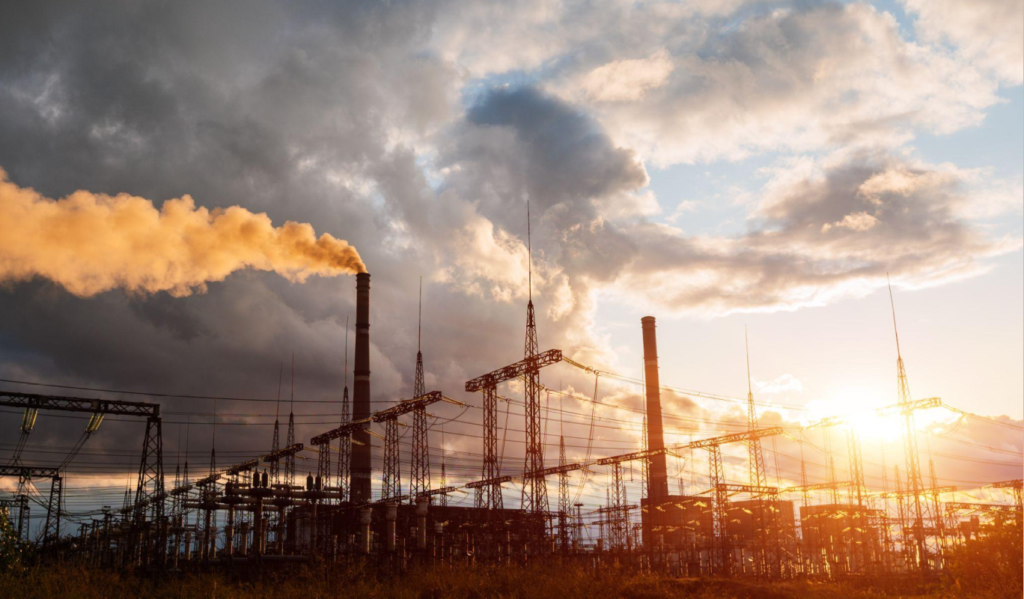
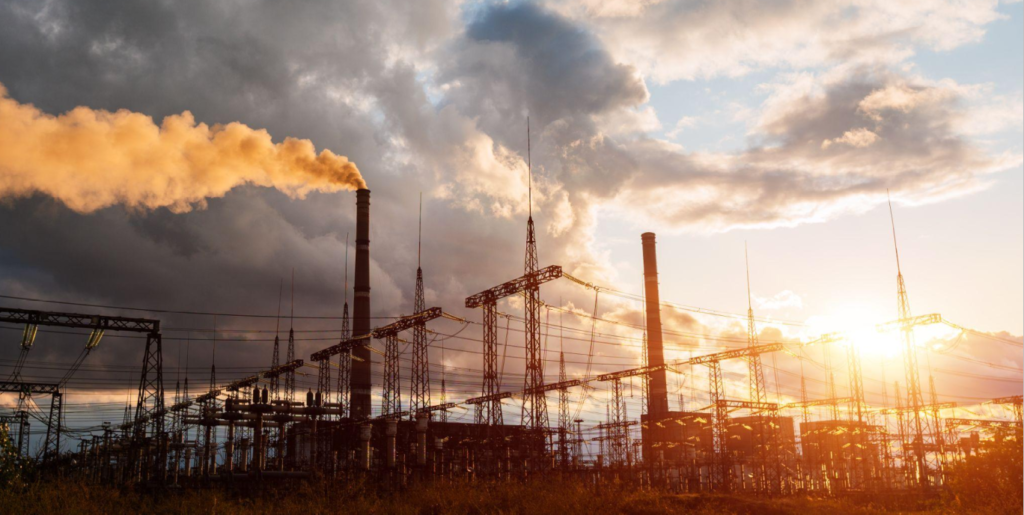
Power station a sunset

Accelerating Sustainability Goals with Digital Twin Technology

Accelerating Sustainability Goals with Digital Twin Technology     Amid mounting expectations from investors, regulators, customers, and various stakeholders regarding environmental, social, and governance matters, sustainability has emerged as a central concern for companies spanning heavy industries. The pursuit of sustainable practices not only aligns with ethical imperatives but also holds significant potential for cost savings and regulatory compliance. However, navigating the complexities of industrial operations while ensuring sustainability goals can be daunting. Fortunately, technological advancements, particularly the advent of Digital Twins, offer a transformative solution to address these challenges. Industrial operations inherently involve intricate processes, from production to supply chain management, each contributing to environmental impact. Traditional monitoring and optimizing methods often fall short of providing comprehensive insights and actionable strategies. This leaves operations and sustainability leaders with the growing challenge around error-prone ESG data, ineffective tracking, tedious manual calculation and reporting processes, and the inability to track against enterprise ESG goals. With rapidly evolving reporting requirements and regulation updates, the need for accurate and  centralized ESG data and insights becomes increasingly important. With the right innovative technology, organizations can unlock hidden profits and accelerate sustainability goals while reducing the time and resources required for ESG monitoring and reporting.     Enter Digital Twins, an innovative technology revolutionizing industrial operations. These virtual replicas of physical assets and processes provide a holistic view of industrial systems, enabling real-time monitoring, analysis, and optimization. By integrating data from various sources, including IoT sensors, machine learning algorithms, and historical records, Digital Twins offer unparalleled insights into operational performance and environmental impact. One of the primary challenges faced by sustainability and operations leaders is the lack of visibility across the entire industrial ecosystem. Siloed data and disparate systems hinder the ability to make informed decisions that drive sustainability initiatives. Digital Twins bridge this gap by aggregating data from disparate sources into a unified platform, providing a comprehensive understanding of the interdependencies within the industrial environment.   Learn how Digital Twins can accelerate your sustainability efforts Connect with an Expert Furthermore, sustainability goals often require a delicate balance between competing objectives, such as reducing energy consumption without sacrificing production output. Traditional optimization approaches may overlook these nuances, leading to suboptimal outcomes. Digital Twins, equipped with advanced analytics capabilities, offer predictive insights and scenario analysis, empowering leaders to identify optimization opportunities while considering multiple constraints and objectives. In addition to enhancing sustainability efforts, Digital Twins play a crucial role in improving operational efficiency. By simulating different operational scenarios and conducting virtual experiments, organizations can identify inefficiencies, mitigate risks, and optimize resource utilization. Moreover, real-time monitoring capabilities enable proactive maintenance, reducing downtime and enhancing asset reliability.     Realizing the full potential of Digital Twins requires a concerted effort from stakeholders across the organization. Collaboration between sustainability, operations, IT, and engineering teams is essential to ensure the seamless integration of technology into existing workflows. Moreover, investing in employee training and change management initiatives is crucial to fostering a culture of innovation and continuous improvement. In conclusion, the challenges faced by sustainability and operations leaders in today’s industrial landscape are multifaceted and complex. However, technology, particularly operational Digital Twins, offers a promising solution to address these challenges effectively. By providing a holistic view of industrial systems, enabling data-driven decision-making, and facilitating optimization efforts, Digital Twins empower organizations to achieve their sustainability goals while enhancing operational efficiency. Embracing this transformative technology is not only a strategic imperative but also a moral obligation toward building a more sustainable future, for both facility operations and the world around us

Accelerating Sustainability Goals with Digital Twin Technology Read More »
Smart Cities

IoT and Digital Twins: Revolutionizing Smart City Management

IoT and Digital Twins: Revolutionizing Smart City Management As the world continues to urbanize and cities become more complex, the need for efficient and effective management of resources becomes more pressing. This is where the concept of Smart Cities comes into play. Smart Cities leverage the latest technologies and innovations to create an integrated, connected, and sustainable urban environment. One of the key technologies that enable Smart Cities is the Internet of Things (IoT), which allows for the collection and analysis of real-time data from sensors and devices throughout the city. Another critical technology is the use of 3D digital twins, which can provide a virtual representation of the physical city and its assets.   In this article, I’ll explore how IoT and 3D digital twins can work together to create a more efficient and sustainable Smart City.Consolidating and updating the 3D digital twin of a Smart City is crucial for maximizing its potential value. Having a unified and trusted 3D twin means that all stakeholders, including city planners, administrators, and citizens, have access to the same accurate and up-to-date information. With a single source of truth, stakeholders can make informed decisions based on consistent and reliable data, leading to increased efficiency, productivity, and sustainability. Some of the top benefits of using a 3D digital twin in the context of a smart city include: Improved decision-making: A 3D digital twin provides a comprehensive and accurate representation of a city’s infrastructure, allowing stakeholders to make informed decisions based on reliable data. By consolidating all data from various sources into a single 3D model, decision-makers can gain a better understanding of the city’s assets, operations, and potential issues. This allows them to identify opportunities for optimization, improve urban planning, and address issues such as traffic congestion, environmental sustainability, and public safety. Enhanced collaboration: A 3D digital twin enables collaboration among various stakeholders, including city planners, engineers, contractors, and citizens. By providing a unified and easily accessible platform for data sharing, a digital twin can streamline communication and facilitate cooperation. This can lead to more effective planning, design, and implementation of urban infrastructure projects, as well as improved engagement with citizens. IoT and Digital Twins: Revolutionizing Smart City Management Efficient resource management: By using a 3D digital twin to monitor and analyze the performance of city infrastructure, stakeholders can identify areas where resources are being underutilized or wasted. This allows them to optimize resource allocation, reduce costs, and improve operational efficiency. For example, by using data from sensors to monitor traffic flow, city planners can optimize traffic light timings to reduce congestion and improve travel times. Similarly, by analyzing energy usage data, city managers can identify areas of high consumption and develop strategies to reduce energy waste and lower costs.   For the supply chain manager, a digital twin system of systems can quickly become the most valuable member of the team for many reasons. The digital twin interface allows managers to see what is happening across multiple points and processes in a supply chain in real-time. It can call out potential disruptions or delays before they happen and intelligently predict the best solution with its advanced AI capabilities, allowing users to meet their goals even in today’s turbulent market and global supply chain environment. Digital twins can be programmed to monitor a company’s desired KPIs and suggest adjustments in real-time to avoid costly mistakes and keep performance on track. The remote visual monitoring capabilities allow operations to be planned, executed, and monitored with more safety, accuracy, and efficiency because complex plans can be simulated and observed without physically having to be on-site. Supply chain digital twins are designed to create a clear path to the most efficient and profitable course of action for companies under an infinite number of possible challenges or circumstances. A consolidated 3D digital twin can provide a more comprehensive understanding of the physical city and its assets, including buildings, infrastructure, and transportation. This can lead to improved planning and scheduling of maintenance and repairs, as well as more efficient use of resources. For example, by having a complete understanding of the location and condition of assets and equipment within the city, maintenance staff can avoid redundant inspections or unnecessary repairs, reducing costs and downtime.In a Smart City, IoT sensors and devices can provide real-time data on everything, from traffic flow and air quality to energy usage and waste management. This data can be integrated into the 3D digital twin, providing a holistic view of the city’s current status and enabling stakeholders to make data-driven decisions. For example, city planners can use real-time traffic data to optimize traffic flow and reduce congestion, while waste management authorities can use data on bin fill levels to optimize waste collection routes.By combining the power of IoT and 3D digital twins, Smart Cities can become more efficient and sustainable, For example, city administrators can use real-time data from IoT sensors to identify areas where energy consumption can be reduced, and then use the 3D digital twin to simulate and test different scenarios for optimizing energy use. This can lead to reduced energy costs and a more sustainable urban environment. The benefits of IoT and 3D digital twins in Smart Cities extend beyond just operational efficiency., These technologies can also improve the quality of life for citizens. For example, by integrating IoT sensors into public transportation, citizens can receive real-time information on bus or train schedules, reducing wait times and improving their overall transportation experience. Additionally, by integrating data on air quality into the 3D digital twin, city planners can identify areas with high levels of pollution and take action to reduce emissions, improving the health and well-being of citizens. Conclusion In conclusion, the consolidation and updating of the 3D digital twin is crucial for Smart Cities to maximize their potential value. By combining the power of IoT and 3D digital twins, Smart Cities can become more efficient, sustainable, and citizen-focused. These technologies provide a powerful tool for city planners and administrators to

IoT and Digital Twins: Revolutionizing Smart City Management Read More »

How Do Digital Twins Reduce Carbon Emissions?

How Do Digital Twins Reduce Carbon Emissions? Learn how digital twin technology may reduce carbon emissions across different industries. Learn more about Visionaize and its groundbreaking digital twin technology. Introduction Digital twins are increasingly visible in the manufacturing, industrial and engineering sectors thanks, in part, to the role they play in reducing carbon emissions. Because a digital twin is a virtual recreation of an asset, or a system of assets, its ability to monitor equipment and reduce human time spent in the field, and the associated travel emissions produced, is a huge energy-saving advantage. Every part of an asset is virtually monitored with a simple data interface, allowing operators to simulate different if-then scenarios and choose the solution that creates the least environmental impact. Digital twins also have energy-saving community planning and asset production advantages as well. Reduce Trips into the Field Minimizing human-asset interactions reduces carbon emissions by automating many labor-intensive asset maintenance tasks and reducing trips into the field. By identifying any unseen issues precisely at the source, the amount of time workers must spend interacting with asset components is greatly minimized. In some cases, digital twins work alongside specialized robots to repair assets that otherwise would have required hands-on troubleshooting. This creates energy-saving efficiencies for both preventative and emergency asset maintenance.   Reducing time in the field has a substantial ripple effect on the reduction of a company’s carbon footprint. Many complex assets are positioned in remote areas, whether it’s an oil-drilling platform in the middle of the ocean or a manufacturing plant hundreds or thousands of miles from a company’s headquarters. This often requires carbon-heavy modes of travel whenever a trip to the field is warranted. Digital twins dramatically cut the carbon output from air, truck, and vehicular travel by eliminating many trips by digitally monitoring situations that previously required hands-on, in-the-field labor. Efficient Solutions Because a digital twin can be used to simulate different asset management decisions, operators can evaluate the outcomes of different solutions without investing actual resources into a potential solution. This includes the ability to analyze different levels of carbon emissions caused by different scenarios. This is both a cost-effective and energy-efficient way to manage and evaluate the risks associated with different applications of the asset. Preventative Maintenance Improves the Life Cycle of An Asset Having accurate historical data on the repairs and maintenance for any given asset is essential to maintaining functionality and extending its serviceable life. Being able to make precise repairs may extend the life of an asset significantly. Having access to this historical data also allows companies to make comparative analyses of their assets and make the most informed decisions about when an asset’s energy demand or carbon output is too great and the asset must be retired. Digital Twin Technology Creates Smarter Assets and Processes The spatial data rendered by a digital twin is being used in industries to design the next generation of assets and the systems that will operate within these new machines and structures. This data-rich, robust design environment is ideal for identifying solutions and creating the most energy-efficient structures and systems. Tesla, for example, uses digital twins in the vehicle development process to produce the best, most efficient vehicle. Community-Level Applications Digital twins can effectively simulate entire ecosystems, including your community! Creating virtual clones of cities, and replicating energy consumption and carbon emissions data, can identify opportunities to improve energy efficiency at the city-planning level. Communities in the UK are already investing in this technology, with promising results! Conclusion Digital twins have both small-scale and community-level advantages in reducing carbon emissions. As digital twin technology becomes more and more commonplace in a greater number of applications, we can expect to see its ability to create energy efficiencies and a positive environmental impact continue to grow.

How Do Digital Twins Reduce Carbon Emissions? Read More »

Using a 3D Digital Twin for Manufacturing agility

Part 4 of the 4 part series: Digital Twins through the full lifecycle Using a 3D Digital Twin for Manufacturing agility What is Manufacturing-as-a-Service? As asserted by 82% of manufacturers, flexibility is critical to growth. Manufacturing-as-a-Service (MaaS) is the ultimate in flexible manufacturing. Let’s drill down on that a little. Imagine a Manufacturing company that owns a global network of manufacturing locations, each with a highly flexible set of capabilities, able to reconfigure at will, and able to accept a wide variety of orders to manufacture goods in order to take advantage of fluctuations in global supply and demand for materials, pricing, currency, and other types of supply chain risk. Companies will need to achieve a high degree of flexibility, adaptability, and configurability to realize this visionary concept of Manufacturing-as-a-Service. What steps can manufacturers take to get there in measured increments?  82% of manufacturers believe flexibility is critical to growth. Creating a 3D Digital Twin as your visual and digital system of record for viewing, understanding, planning, and monitoring work in digital assets and processes can be a stepping stone. What is Manufacturing Agility? Flexibility, adaptability, and configurability are aspects of manufacturing agility. Specifically, agility in manufacturing operations will entail: The ability to make changes quickly, by taking in all relevant information The ability to stay in sync with these changes The ability to simulate (play forward) planned changes to your operation Low cost, effort and complexity to keep your models in sync with the real world As we’ll discuss now, these aspects are achievable by using a 3D Operational Digital Twin. As we’ll discuss now, these aspects are achievable by using a 3D Operational Digital Twin. What does 3D visualization in operations have to do with agility? Agility requires the ability to act quickly, respond quickly, and use data to inform those actions and responses so they are accurate, safe, and rapid. At its core, agility requires a holistic understanding of the manufacturing operation, as described in the Digital Twin Consortium’s recent blogpost by the same name. Below are some key examples in which visual input married with a detailed digital model of the asset or process can improve the speed, safety, and certainty in which we take informed action quickly: Remote monitoring is the most general situation that benefits from having “eyes on” our manufacturing processes, and large equipment centers, as skilled operations management consolidate in larger regional operations centers. Using visual scenario building software, aided by Augmented and Virtual Reality tools allows for investigating, planning, and rehearsal/training of processes and procedures without being there physically Incorporating a 3D visual model into robotic process automation can greatly accelerate planning for turnarounds, setups, and line reconfigurations Optimized inspection, repair and maintenance planning are functions that are more and morefrequently done with the aid of a 3D Digital Twin By carrying a mobile version of a 3D Digital By carrying a mobile version of a 3D Digital Twin during field work, operations can perform in situ parts ordering, service request ordering – i.e., rather than waiting until personnel return to their desk or operations room, they can make requests at the scene. Closing the loop on other observations in the field, personnel can use a 3D Operational Digital Twin to write-back to any authorized transaction-based system – when data observed in the field are visibly inaccurate, notes taken can be attached visually to the equipment, tag, or circuit affected. Moreover, data discrepancies can be immediately rectified between the physical asset and its records in the Asset Management. What each of these scenarios have in common is that: they benefit from the ability to carry out analysis and planning remotely, without physical presence (adds speed, precision/accuracy, and safety). where the operations change frequently (esp. manufacturing in small batches, made-to-order, or constantly adjusting conditions), this also depends on a robust MMOC capability and thus, when the actions are eventually carried out, they are more accurate and quick (because we avoid errors because of all the preplanning and verification), AND, because we provide access to all the information that was used in the planning at their fingertips, the notepad / write back while they are in the field observing it  (i.e., ability to generate a request for parts, is just one example). As a result, when we take the physical out of the equation, we reduce the time needed to be there in person, leading to the further benefits of improved safety, and lower carbon intensity (by lowering energy spent on transportation). Start with an Operational 3D Digital Twin Partner? The scenarios and examples described earlier can be enabled using a 3D Digital Twin, but only a True-to-life 3D Operational Digital Twin, as described in our previous post “True-to-Life 3D Operational Digital Twins”. That is because when teams put their trust and judgement into a model replica, it must be:   an accurate and true to life system of record connected to other operational systems of record in real time Available 24×7 for use The Take-Away As manufacturers strive for the vision of Manufacturing-as-a-Service, they must build in an agile mindset. Some say this will not happen until they achieve software-configured production lines, so they can incorporate Continuous Integration / Continuous Development (CI/CD) flexibility of software development. That road is fraught with dangers as discussed. But a more realistic, near-term goal would be to use tools like an immersive, operational 3D Digital Twin to minimize the time it takes to make changes and adjust their operations to new requirements, new product types, verify and rehearse (simulate) planned changes to reduce errors, speed up changes, and ultimately, make tangible progress toward that goal.

Using a 3D Digital Twin for Manufacturing agility Read More »