Digital Twin

The Future of Preventative Maintenance: How AI-Powered 3D Digital Twin Software is Revolutionizing the Oil and Gas Industry

The Future of Preventative Maintenance: How AI-Powered 3D Digital Twin Software is Revolutionizing the Oil and Gas Industry   In the ever-evolving landscape of the oil and gas industry, adopting advanced technologies is crucial for maintaining operational efficiency and safety. One such innovation is the use of AI-powered 3D digital twin software in preventative maintenance. This transformative technology is redefining how companies approach maintenance, reducing downtime, and enhancing productivity. In this article, we will explore how preventative maintenance software, particularly AI-powered 3D digital twin solutions, is revolutionizing the oil and gas sector. Understanding Preventative Maintenance Software   Preventative maintenance software plays a pivotal role in the oil and gas industry by anticipating and mitigating potential equipment failures before they occur. Traditional maintenance practices often involve reactive strategies, addressing issues only after they arise. This approach can lead to significant downtime, costly repairs, and potential safety hazards. In contrast, preventative maintenance software leverages data analytics, machine learning, and predictive algorithms to identify potential problems early, allowing for timely intervention.   The Rise of 3D Digital Twin Technology   A digital twin is a virtual replica of a physical asset, system, or process. In the context of the oil and gas industry, a 3D digital twin provides a detailed, real-time representation of equipment and infrastructure. This digital model is continuously updated with data from sensors and other sources, enabling comprehensive monitoring and analysis. The integration of AI enhances the capabilities of digital twins, making them invaluable tools for preventative maintenance.   How AI-Powered 3D Digital Twin Software Works   AI-powered 3D digital twin software combines the power of artificial intelligence with the precision of 3D modeling. Here’s how it works:   Data Collection: Sensors and IoT devices gather real-time data from equipment and infrastructure. This data includes temperature, pressure, vibration, and other critical parameters Digital Twin Creation: The collected data is used to create a highly accurate 3D digital twin of the physical asset. This model is a dynamic representation that evolves in real-time with the asset’s condition. AI Analysis: Sensors and IoT devices gather real-time data from equipment and infrastructure. This data includes temperature, pressure, vibration, and other critical parameters Data Collection: Sensors and IoT devices gather real-time data from equipment and infrastructure. This data includes temperature, pressure, vibration, and other critical parameters   Benefits of AI-Powered 3D Digital Twin Software   The implementation of AI-powered 3D digital twin software in the oil and gas industry offers several significant benefits:   Enhanced Predictive Accuracy: The combination of AI and digital twin technology provides unprecedented accuracy in predicting equipment failures. This allows for more precise maintenance planning and reduces the likelihood of unexpected breakdowns. Reduced Downtime: By identifying and addressing potential issues before they escalate, preventative maintenance software minimizes downtime. This leads to increased operational efficiency and cost savings. Improved Safety: Preventative maintenance helps ensure that equipment operates within safe parameters, reducing the risk of accidents and enhancing overall safety for workers and the environment. Cost Savings: Proactive maintenance reduces the need for costly emergency repairs and extends the lifespan of equipment. This results in significant cost savings over time. Data-Driven Decision Making: The wealth of data collected and analyzed by AI-powered 3D digital twin software provides valuable insights for decision-makers. This enables more informed strategic planning and resource allocation. The Future of Preventative Maintenance in Oil and Gas   As the oil and gas industry continues to embrace digital transformation, the role of AI-powered 3D digital twin software in preventative maintenance will only grow. The technology’s ability to provide real-time insights, predictive analytics, and optimized maintenance schedules is revolutionizing the sector. Companies that adopt these advanced solutions will be better positioned to achieve operational excellence, enhance safety, and remain competitive in a rapidly changing landscape.   In conclusion, preventative maintenance software, powered by AI and 3D digital twin technology, is transforming the oil and gas industry. By leveraging these innovative tools, companies can anticipate and mitigate potential issues, ensuring smoother operations and a safer working environment. The future of preventative maintenance is here, and it is digital, intelligent, and remarkably efficient.

The Future of Preventative Maintenance: How AI-Powered 3D Digital Twin Software is Revolutionizing the Oil and Gas Industry Read More »

The ROI of 3D Digital Twins

The Hidden ROI of 3D Digital Twins: What You’re Missing Out On

The Hidden ROI of 3D Digital Twins: What You’re Missing Out On   Written by David Reinhart, EVP – Digital Twin, Visionaize. Imagine turning hours of fieldwork into mere minutes at your desk.   For many businesses, the idea of implementing 3D Digital Twins can seem overwhelming, like something out of science fiction—a costly and complex engineering tool. However, the reality is far more accessible and beneficial than you might imagine. This paper explores the hidden ROI of 3D Digital Twins, demonstrating how strategic implementation can unlock significant, often overlooked benefits.   Addressing Cost Concerns & Demystifying the Creation of 3D Digital Twins:   A common misconception is that creating a 3D Digital Twin requires starting from scratch with expensive 3D modeling. In reality, many facilities already possess a wealth of 3D data collected during capital projects.   “An hour in V-Suite is like 8 hours in the field,”   is a quote we love from one of our customers.  It illustrates the efficiency gains from leveraging existing data. By integrating this data with robust digital twin platforms, businesses can develop accurate digital replicas without prohibitive costs. Modern technologies, such as laser scanning and photogrammetry, make this process accessible even for facilities without pre-existing 3D models.   The Value Proposition: Beyond Engineering:   3D Digital Twins offer value across various departments: Operations: Optimize facility performance, reduce downtime, and boost productivity with simulated operational scenarios. Maintenance: Implement predictive maintenance schedules to reduce unplanned downtime and costs. Engineering: Virtually test and refine designs to ensure efficiency and safety before implementation. Projects: Minimize risks and errors during design and maintenance phases with accurate virtual models. Inspection & Reliability: Gain real-time insights into asset performance for proactive issue identification. Environmental Health & Safety (EHS): Monitor and manage safety and environmental conditions effectively. Finance: Realize cost savings from improved efficiency and reduced maintenance expenses. Executives: See enhanced ROI through improved operational efficiency, safety, and profitability. Foster a collaborative work environment that boosts employee retention. Achieving ROI: Strategic Implementation:   The return on investment for 3D Digital Twins is realized through several key benefits: Enhanced Decision-Making: Real-time monitoring and data analysis provide actionable insights, enabling better-informed decisions. This leads to reduced downtime, optimized production, and significant cost savings. Cost Efficiency: By digitizing and integrating data, businesses reduce the need for manual inspections, paper records, and physical testing. This not only saves time and money but also improves data accuracy and accessibility. Improved Safety and Compliance: Accurate digital representations help identify and mitigate safety risks, ensuring compliance with regulatory requirements and preventing costly incidents. Long-Term Savings: While initial setup costs may seem high, the long-term savings from reduced maintenance, downtime, and operational inefficiencies justify the investment. The cost of digital twin technology has also been decreasing, making it more accessible.   Phased Implementation: Starting Small and Scaling Up:   Achieving ROI from 3D Digital Twin technology doesn’t require an immediate, full-scale implementation. Uncover hidden ROI by gradually integrating more complex systems and realize incremental benefits. Clients can start small, focusing on critical areas with the data they already have, and gradually advance and mature their systems over time. This phased approach helps address common challenges while building a solid foundation for future growth.   Address Common Challenges with a Crawl, Walk, and Run Deployment:   To effectively manage the transition, it’s essential to address common challenges through a phased approach: Time to Value: Clients need to see benefits quickly to justify the investment. Data Quality & Data Silos: Ensuring high-quality, integrated data can be difficult. Organizational Readiness: Preparing the organization for technological change is crucial.   Crawl Phase: Initial Implementation: Rapid Time to Value: Achieve quick wins with minimal upfront investment. 3D Scans & Images: Utilize existing 3D scans and images to create basic digital twins. Light Data Integration: Integrate initial data sets to start realizing immediate benefits. Cost-Effective foundation for the Future: Enhance readiness with integrated laser scans and plot plans, setting the stage for transformation.   In the crawl phase, clients often face data overload due to the sheer volume of operational data. Technological adaptation can be challenging without prior experience, and resource constraints, such as limited budgets and personnel, can impede a full-scale implementation. Starting with simple use cases, such as visualization of existing data for inspections or routine maintenance, can help clients overcome these hurdles. This approach transforms isolated, unintegrated, and limited visibility data into consolidated, visible, and integrated systems.   Walk Phase: Intermediate Development: Medium Functionality: Expand capabilities with more detailed models and functions. Hybrid 3D Model (Mesh + Critical Assets): Combine tagged mesh with critical asset models for a more comprehensive view. Deeper Data Integration: Enhance data integration to support more complex operations. Enhanced Operations: Integrate richer data with CAD and 3D models for better efficiency and quick decisions. As clients progress to the walk phase, they encounter challenges in system integration, managing the increased complexity of a 3D mesh surface model, and minimizing operational disruption while transitioning to more advanced technologies. By incorporating more dynamic data and 3D integration, clients can achieve synchronized, automated, and optimized systems. This phase supports more advanced approaches, reducing manual efforts and enhancing efficiency.   Run Phase: Advanced Implementation: Full Functionality: Implement full-scale, robust 3D models of facilities and assets. Robust 3D Model of Facility & Assets: Create detailed and accurate digital twins of entire facilities. Broad System & Data Integration: Integrate with various systems and data sources for comprehensive functionality. Leading the Way: Use comprehensive data to support cross-functional applications and advanced capabilities and maximize ROI. In the run phase, clients face challenges related to full-scale deployment, advanced data analysis, and the alignment of digital twin adoption with strategic business goals and future growth. With advanced 3D integration and applications of AI, VR, and other advanced technologies, 3D Digital Twins support insightful, predictive solutions, simulations, and forecasting. This leads to the possibility of autonomous automated actions and closed-loop optimization.   Quick Wins: Immediate Benefits of 3D Digital Twins:   Turnarounds and Mechanical Integrity

The Hidden ROI of 3D Digital Twins: What You’re Missing Out On Read More »

Predictive Maintenance

The Vital Role of Change Management in Scaling AI and 3D Digital Twin Solutions

The Vital Role of Change Management in Scaling AI and 3D Digital Twin Solutions     In the fast-paced realm of industrial innovation, embracing transformative technologies like AI and 3D Digital Twins has become imperative for staying ahead in the competitive landscape. These innovative tools promise efficiency, accuracy, and unparalleled insights into industrial processes. However, the journey towards successful integration and widespread adoption is not solely about technological prowess. Rather, it hinges significantly on how effectively organizations manage the accompanying changes.   Challenges of Change Management   In many industrial facilities, the workforce is characterized by experienced individuals who have long been accustomed to established methods. This demographic often exhibits a reluctance to embrace change or adopt new technologies that disrupt the status quo. However, with the influx of a younger generation into the workforce, there’s a shift in attitudes towards technology. These digital natives, raised in an era of rapid technological advancement, actively seek out innovative solutions like generative AI and 3D Digital Twins to streamline processes and drive efficiencies. Their eagerness to embrace transformative technologies underscores the pressing need for effective change management strategies to bridge the gap between generations and ensure seamless integration of new tools into industrial workflows.     Understanding the Dynamics of Change   Change within an organization is sometimes met with resistance. Whether it’s the introduction of new processes, technologies, or workflows, teams may perceive change as disruptive to their routines and roles. Consequently, without proper guidance and management, even the most groundbreaking technologies can falter in delivering their promised value. Change management, as a strategic approach to transitioning individuals, teams, and organizations from current states to desired futures, becomes paramount in this context. It’s not merely about pushing for change but rather orchestrating it to minimize disruption, foster buy-in, and maximize the benefits realized. The significance of effective change management cannot be overstated when it comes to adopting generative AI and 3D Digital Twin technologies. Here’s why:   Cultivating a Culture of Adaptability   Change management initiatives instill a culture of adaptability within organizations. By proactively addressing concerns, providing adequate training, and fostering open communication channels, employees feel empowered to embrace new technologies rather than resist them. This shift in mindset is fundamental for the successful integration of generative AI and 3D Digital Twins into existing workflows.         Mitigating Resistance and Overcoming Challenges   Resistance to change is a common barrier encountered in technology adoption efforts. Strategies, such as stakeholder engagement, pilot programs, and feedback mechanisms, help identify and address sources of resistance early on. By acknowledging and addressing concerns transparently, organizations can build momentum toward adoption while mitigating potential roadblocks.   Maximizing Return on Investment (ROI)   Integrating generative AI and 3D Digital Twin technologies aims to drive tangible business outcomes, whether it’s optimizing processes, enhancing productivity, or reducing costs. Effective change management ensures that organizations realize the full potential of these technologies by aligning implementation efforts with strategic objectives to accelerate value. By optimizing usage and minimizing downtime during the transition period, organizations can accelerate ROI and achieve scalability more rapidly.          Enabling Continuous Improvement   Change management is not a one-time endeavor but rather an ongoing process. As technologies evolve and organizational needs shift, continuous improvement becomes essential. By fostering a culture of continuous learning and adaptation, change management lays the foundation for long-term success and sustainability in leveraging generative AI and 3D digital twin technologies. As the industrial sector embraces the transformative potential of generative AI and 3D Digital Twin technologies, the importance of effective change management cannot be overstated. Organizations can accelerate adoption and drive scalability by proactively addressing resistance, cultivating a culture of adaptability, and aligning implementation efforts with strategic objectives. In navigating the complexities of change, organizations have the opportunity not only to optimize processes and enhance productivity but also to unlock new frontiers of innovation and competitiveness in the digital age. At Visionaize, our solutions are designed for rapid deployment, requiring minimal time and resources from our clients to initiate. Following successful implementation, our team of expert advisors stands ready to support your organization in navigating change management and expediting your digital transformation journey to accelerate value realization.   Learn How Change Management Can Pave Your Technology Way   Connect with an Expert

The Vital Role of Change Management in Scaling AI and 3D Digital Twin Solutions Read More »

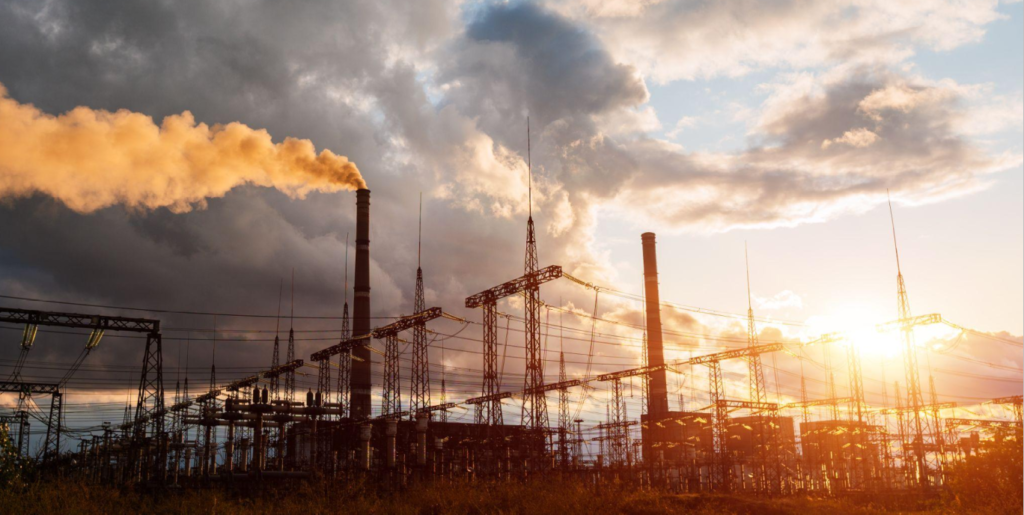
Power station a sunset

Accelerating Sustainability Goals with Digital Twin Technology

Accelerating Sustainability Goals with Digital Twin Technology     Amid mounting expectations from investors, regulators, customers, and various stakeholders regarding environmental, social, and governance matters, sustainability has emerged as a central concern for companies spanning heavy industries. The pursuit of sustainable practices not only aligns with ethical imperatives but also holds significant potential for cost savings and regulatory compliance. However, navigating the complexities of industrial operations while ensuring sustainability goals can be daunting. Fortunately, technological advancements, particularly the advent of Digital Twins, offer a transformative solution to address these challenges. Industrial operations inherently involve intricate processes, from production to supply chain management, each contributing to environmental impact. Traditional monitoring and optimizing methods often fall short of providing comprehensive insights and actionable strategies. This leaves operations and sustainability leaders with the growing challenge around error-prone ESG data, ineffective tracking, tedious manual calculation and reporting processes, and the inability to track against enterprise ESG goals. With rapidly evolving reporting requirements and regulation updates, the need for accurate and  centralized ESG data and insights becomes increasingly important. With the right innovative technology, organizations can unlock hidden profits and accelerate sustainability goals while reducing the time and resources required for ESG monitoring and reporting.     Enter Digital Twins, an innovative technology revolutionizing industrial operations. These virtual replicas of physical assets and processes provide a holistic view of industrial systems, enabling real-time monitoring, analysis, and optimization. By integrating data from various sources, including IoT sensors, machine learning algorithms, and historical records, Digital Twins offer unparalleled insights into operational performance and environmental impact. One of the primary challenges faced by sustainability and operations leaders is the lack of visibility across the entire industrial ecosystem. Siloed data and disparate systems hinder the ability to make informed decisions that drive sustainability initiatives. Digital Twins bridge this gap by aggregating data from disparate sources into a unified platform, providing a comprehensive understanding of the interdependencies within the industrial environment.   Learn how Digital Twins can accelerate your sustainability efforts Connect with an Expert Furthermore, sustainability goals often require a delicate balance between competing objectives, such as reducing energy consumption without sacrificing production output. Traditional optimization approaches may overlook these nuances, leading to suboptimal outcomes. Digital Twins, equipped with advanced analytics capabilities, offer predictive insights and scenario analysis, empowering leaders to identify optimization opportunities while considering multiple constraints and objectives. In addition to enhancing sustainability efforts, Digital Twins play a crucial role in improving operational efficiency. By simulating different operational scenarios and conducting virtual experiments, organizations can identify inefficiencies, mitigate risks, and optimize resource utilization. Moreover, real-time monitoring capabilities enable proactive maintenance, reducing downtime and enhancing asset reliability.     Realizing the full potential of Digital Twins requires a concerted effort from stakeholders across the organization. Collaboration between sustainability, operations, IT, and engineering teams is essential to ensure the seamless integration of technology into existing workflows. Moreover, investing in employee training and change management initiatives is crucial to fostering a culture of innovation and continuous improvement. In conclusion, the challenges faced by sustainability and operations leaders in today’s industrial landscape are multifaceted and complex. However, technology, particularly operational Digital Twins, offers a promising solution to address these challenges effectively. By providing a holistic view of industrial systems, enabling data-driven decision-making, and facilitating optimization efforts, Digital Twins empower organizations to achieve their sustainability goals while enhancing operational efficiency. Embracing this transformative technology is not only a strategic imperative but also a moral obligation toward building a more sustainable future, for both facility operations and the world around us

Accelerating Sustainability Goals with Digital Twin Technology Read More »