August 2024

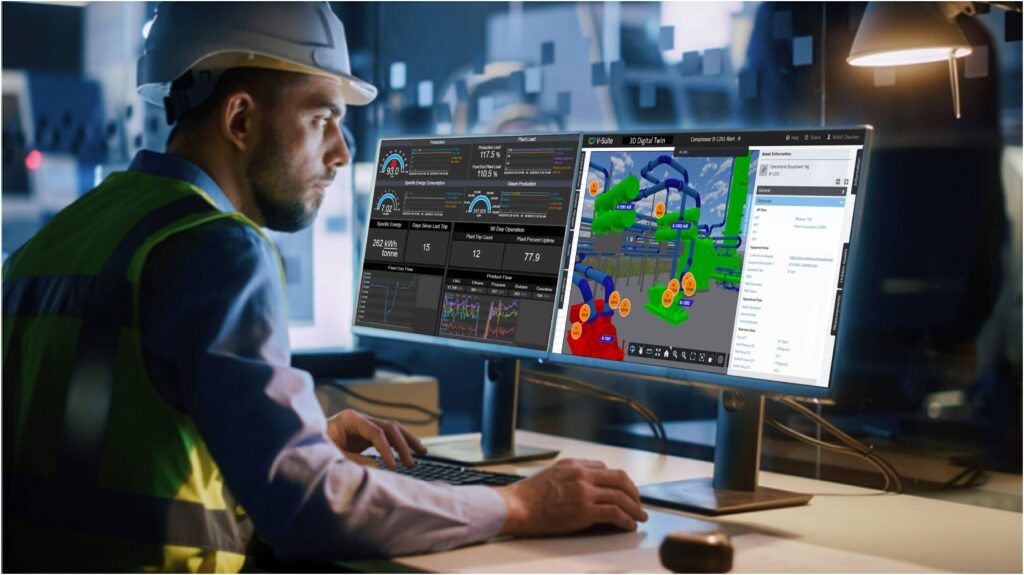
Unlocking the Power of 3D Digital Twins for Industrial Inspections

Unlocking the Power of 3D Digital Twins for Industrial Inspections   In the industrial sector, where precision, efficiency, and safety are paramount, inspection teams are crucial to maintaining asset integrity and operational continuity. However, traditional inspection methods are manual and resource-intensive. This is where 3D Digital Twins come into play, offering transformative solutions that expedite how inspections are conducted and drive significant value for organizations. What Are 3D Digital Twins?   A 3D Digital Twin is a highly detailed, dynamic digital model of a physical asset or system. Unlike static models, Digital Twins integrate real-time data from sensors, historical records, and operational systems, creating a comprehensive representation of the actual asset. For inspection teams, this technology is a game-changer.   Enhancing Visualization and Accessibility   One of the most significant advantages of 3D Digital Twins is their ability to provide detailed, interactive visualizations of assets. Inspectors can explore every component of an asset in a virtual environment, zooming in on specific areas, rotating views, and even simulating different scenarios.   Improved Accessibility: With 3D Digital Twins, inspection teams can assess assets located in hard-to-reach or hazardous areas without the need for physical presence. This capability not only saves time but also reduces the risk to personnel, enhancing overall safety. Comprehensive Analysis: The detailed visualization allows inspectors to identify potential issues that might be missed during traditional inspections. By examining the asset from multiple angles and in different conditions, teams can gain a deeper understanding of its current state and potential vulnerabilities.   Real-Time Data Integration for Informed Decision-Making   A key feature of 3D Digital Twins is their ability to integrate real-time data from the asset’s sensors and operational systems. This continuous flow of information ensures that the Digital Twin remains an accurate reflection of the physical asset at all times. Proactive Monitoring: Real-time data allows inspection teams to monitor asset performance continuously, detecting anomalies as they occur. This proactive approach enables teams to address issues before they escalate, preventing unplanned downtime and extending the life of critical assets. Data-Driven Insights: The integration of operational data into the Digital Twin provides inspection teams with valuable insights that inform decision-making. Whether it’s predicting when maintenance will be needed or identifying areas for efficiency improvements, the data-driven nature of Digital Twins enhances the accuracy and effectiveness of inspections. Streamlining Collaboration and Communication   3D Digital Twins serve as a single source of truth for all stakeholders involved in the inspection process. This unified platform enhances collaboration across teams and departments, ensuring that everyone has access to the same accurate and up-to-date information. Seamless Communication: With a shared Digital Twin, inspection teams, engineers, and management can collaborate more effectively, discussing findings and making decisions based on a common understanding of the asset’s condition. Enhanced Reporting: The detailed visualizations and data available in the Digital Twin can be used to generate comprehensive reports, making it easier to communicate complex findings to non-technical stakeholders. Maximizing Value with 3D Digital Twins   The adoption of 3D Digital Twins offers profound benefits that translate into significant value for industrial organizations: Increased Efficiency: By reducing the need for physical inspections and enabling remote assessments, Digital Twins streamline the inspection process, saving time and resources. Enhanced Accuracy: The detailed visualizations and real-time data provided by Digital Twins result in more precise inspections, reducing the risk of errors and improving the reliability of asset management strategies. Cost Savings: Early detection of issues through proactive monitoring helps prevent costly repairs and unplanned downtime, leading to substantial cost savings over time. Improved Safety: Minimizing the need for physical inspections in dangerous environments not only protects workers but also ensures compliance with safety regulations. 3D Digital Twins represent a transformative advancement in the field of industrial inspections. By offering detailed visualization, real-time data integration, and enhanced collaboration, these digital replicas empower inspection teams to work more efficiently, accurately, and safely. For organizations, the adoption of 3D Digital Twins is a strategic move that delivers long-term value, optimizing asset management processes and driving operational excellence in an increasingly complex industrial landscape. To learn more about how 3D Digital Twins can improve your operations, check out our V-Plant solutions.

Unlocking the Power of 3D Digital Twins for Industrial Inspections Read More »
Maximizing ROI: The Impact of AI-Driven Asset Management Solutions in Oil and Gas

Maximizing ROI: The Impact of AI-Driven Asset Management Solutions in Oil and Gas   In today’s fast-paced oil and gas industry, where every dollar counts, staying ahead of the curve with innovative technology is more important than ever. What used to be a luxury is now a necessity, especially when it comes to managing the vast and complex assets involved in the oil and gas industry. Among the many technological advancements on the market, AI-driven asset management solutions are proving to be a true game-changer investment, offering a significant ROI The Challenges in Oil and Gas Asset Management   Managing assets in the oil and gas industry isn’t a simple task. With large facilities and tons of equipment, efficient asset management is key to minimizing downtime, cutting costs, and ensuring safety. However, traditional methods often fall short, unable to keep up with the sheer scale and complexity of modern operations. This can lead to inefficiencies, unexpected breakdowns, and less-than-optimal use of resources.   How AI is Changing the Game in Asset Management   AI offers powerful tools to tackle these challenges head-on. AI-driven asset management solutions use advanced algorithms, machine learning, and data analytics to give you real-time insights and predictive capabilities. By crunching huge amounts of data from sensors, historical performance records, and other factors, these solutions can predict when equipment might fail, help you optimize maintenance schedules, and improve your decision-making process.   For example, predictive maintenance can drastically reduce unplanned downtime by predicting equipment issues before they happen. This means you can take action before a problem leads to a costly shutdown.   How AI-Driven Solutions Boost ROI   Integrating AI into your asset management strategy can directly improve your ROI in several key ways: Reduced Downtime: By accurately predicting equipment failures and optimizing maintenance, AI-driven solutions help you avoid unexpected downtime. This means your operations stay efficient, production rates go up, and profits increase. Cost Efficiency: AI helps you get the most out of your resources, whether it’s labor or machinery. This not only cuts down on operational costs but also ensures that your capital is used where it can generate the highest returns. Better Decision-Making: With real-time data and predictive insights, AI empowers you to make smarter, quicker decisions. This agility helps you stay responsive to market changes, regulatory shifts, or any operational hiccups, ensuring your profitability is sustained. Longer Asset Life: AI-driven solutions ensure that your equipment is maintained properly and used within optimal conditions, which can extend the life of your critical assets. This means fewer costly replacements and even better ROI. Organizations that get on board now will be well-positioned to maximize their ROI, maintain a competitive edge, and navigate the complexities of the oil and gas industry with confidence. By focusing on implementing these AI-driven solutions, you’re not just optimizing your current operations—you’re also setting the stage for long-term sustainability and profitability in an ever-changing market.

Maximizing ROI: The Impact of AI-Driven Asset Management Solutions in Oil and Gas Read More »

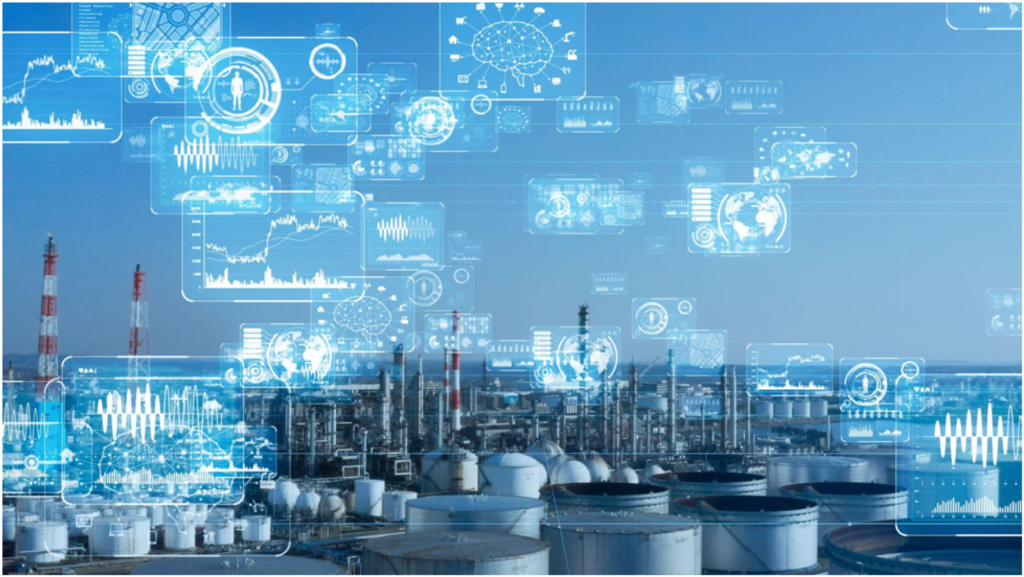
Digital Twins and AI: A Perfect Match for Predictive Maintenance in Oil and Gas

Digital Twins and AI: A Perfect Match for Predictive Maintenance in Oil and Gas   The oil and gas industry is in the midst of a technological revolution, with digital twinning and artificial intelligence (AI) leading the charge. These cutting-edge technologies are transforming the way companies approach predictive maintenance, enabling more accurate predictions, reduced downtime, and improved operational efficiency. What is Digital Twinning?   Digital twinning refers to the creation of a virtual replica of a physical asset, system, or process. This digital counterpart is an exact representation of its real-world counterpart and is continuously updated with data from sensors and other monitoring devices. In the oil and gas industry, digital twinning allows companies to simulate, analyze, and optimize the performance of complex machinery and infrastructure in real-time. This capability is especially valuable for predictive maintenance, where early detection of potential issues is critical.   How AI Enhances Digital Twinning   Artificial intelligence plays a crucial role in maximizing the potential of digital twinning. By integrating AI with digital twins, companies can leverage advanced analytics, machine learning, and predictive algorithms to gain deeper insights into asset performance. AI enhances digital twins in several key ways:   1. Data Processing and Analysis: AI algorithms can process vast amounts of data generated by digital twins, identifying patterns and anomalies that might be missed by human analysts. This enables more accurate predictions of equipment failures and maintenance needs 2. Predictive Maintenance: AI-driven digital twins use predictive analytics to forecast when and where maintenance is required. By analyzing historical data and real-time inputs, AI can predict potential failures with high accuracy, allowing companies to take proactive measures to prevent downtime. 3. Continuous Learning: AI algorithms continuously learn and improve over time, refining their predictions based on new data. This means that the longer a digital twin is in operation, the more accurate and reliable its predictions become.   Benefits of Digital Twinning and AI for Predictive Maintenance   The combination of digital twinning and AI offers numerous benefits for predictive maintenance in the oil and gas industry:   1. Increased Operational Efficiency: By predicting maintenance needs before they become critical, companies can schedule maintenance activities at the most convenient times, reducing the impact on production and maximizing efficiency. 2. Reduced Downtime: Predictive maintenance driven by digital twinning and AI minimizes unplanned downtime by addressing potential issues before they cause equipment failures. This leads to more reliable operations and significant cost savings. 3. Extended Asset Lifespan: By proactively maintaining equipment based on data-driven insights, companies can extend the lifespan of their assets. This reduces the need for costly replacements and improves the return on investment. 4. Improved Safety: Digital twins provide real-time visibility into the condition of equipment, allowing companies to identify and mitigate safety risks before they escalate. This is particularly important in the oil and gas industry, where equipment failures can have serious consequences. 5. Data-Driven Decision Making:The insights generated by AI-powered digital twins enable more informed decision-making at all levels of the organization. From maintenance teams to executive leadership, everyone benefits from a clearer understanding of asset performance and maintenance needs.   The Future of Predictive Maintenance in Oil and Gas   As the oil and gas industry continues to embrace digital transformation, the role of digital twinning and AI in predictive maintenance will only grow. These technologies are not only improving the reliability and efficiency of operations but also paving the way for more sustainable and cost-effective practices. Companies that invest in digital twinning and AI today will be better positioned to navigate the challenges of tomorrow, ensuring long-term success in a rapidly changing industry.   In conclusion, digital twinning and AI represent a powerful combination for predictive maintenance in the oil and gas sector. By leveraging these technologies, companies can stay ahead of potential issues, optimize their operations, and achieve a competitive edge. The future of predictive maintenance is digital, intelligent, and more promising than ever before.

Digital Twins and AI: A Perfect Match for Predictive Maintenance in Oil and Gas Read More »