

Oil & Gas

Digital threads form the data foundation for which digital twins are built upon.

How are Digital Twins and digital threads different?

The digital thread is the path that data follows as it is collected, analyzed, and used to inform decision-making. A digital twin is a dynamic virtual 3D model of a physical object or system that can be used to track its real-world counterpart’s performance and predict its future behavior. The digital thread is the foundation upon which digital twins are built. A digital thread can be thought of as a “single source of truth” for data about an object or system. This data can come from many sources, including IoT sensors, simulations, and manual input. The digital thread is also a permanent record of your product or system’s lifetime, from its creation to removal and provides traceability. A digital twin is a dynamic 3D model that uses data from the digital thread to represent the current state of a physical object or system, and to predict its future behavior. Digital twins can be used for many purposes, including monitoring workflows and diagnostics, performance optimization, and predictive maintenance. Digital twins are often used in manufacturing, oil & gas, and utility industries to improve quality control and optimize production lines. By having a 3D virtual model of a manufacturing process, engineers can make changes and test them before they are implemented. Can Digital Threads or Digital Twins be used on their own? Digital threads and digital twins are often used together, as they complement each other well. However, they can also be used separately. Digital threads can be used without digital twins, for example to track the progress of data through a process or system. This data can then be used to inform decision-making, but it will not be represented in a dynamic 3D model. Digital twins, on the other hand, require digital threads in order to function. This is because they rely on data being captured and tracked throughout the lifecycle of a product or system. Without this data, it would not be possible to create an accurate representation of the real-world counterpart. When multiple digital threads are collected and combined they can synergistically provide holistic performance of a physical object or system. How Digital Threads and Digital Twins Can Improve Manufacturing There are many advantages to implementing a digital thread and digital twin in manufacturing. Digital threads can be used to track the progress of data through a manufacturing process, from design to delivery. This data can be used to optimize the process, for example by reducing waste or increasing efficiency. Digital threads and digital twins can be used in manufacturing to improve quality control and optimize production lines. By having a virtual model of a manufacturing process, engineers can make changes and test them before they are implemented. This can lead to shorter development cycles, less waste, and higher-quality products. Digital twins can also be used to monitor and diagnose problems in manufacturing processes. This can help to identify and fix issues before they arise, thereby reducing the risk of defects. Conclusion Digital threads and digital twins are two terms that are often used interchangeably, but they actually refer to two different concepts. A digital thread is a single, continuous strand of data that flows through a manufacturing process from start to finish. This data can be used to track the progress of a product and optimize the manufacturing process. A digital twin is a digital copy of a physical product or process. This copy can be used to simulate different manufacturing scenarios and test new designs before they are implemented in the real world. Digital threads and digital twins are powerful tools that can be used to improve manufacturing. They can be used to track the progress of data through a process, optimize processes, and avoid costly mistakes. Implementing a digital thread and digital twin can help to reduce costs and improve productivity in manufacturing, utilities, power & energy and other industries that rely on heavy industrial assets.    

How are Digital Twins and digital threads different? Read More »
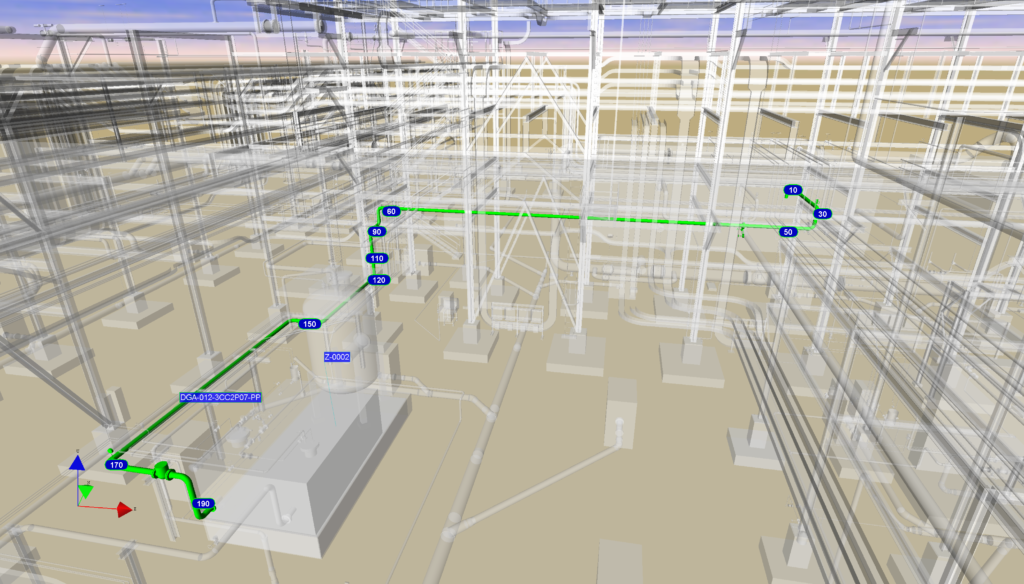
Image of Digital Twin for Asset Intensive Industries

What is a Digital Twin and how does it benefit industrial businesses?

What is a digital twin? A digital twin is a 3D virtual replica of a physical object or system. In terms of industrial businesses this could be oil & gas refineries, manufacturing facilities, or utility power plants. A digital twin is a form of enterprise asset management software that allows for remote operations and predictive maintenance of these facilities. The term “digital twin” was first coined in 2002 by Dr. Siegfried Zielinski, a German scientist and professor at the Berlin University of the Arts. The purpose of a digital twin is to provide an accurate and real-time representation of a physical object or system. This can be extremely beneficial for industrial businesses, as it allows them to detect faults and potential problems with their products before they become an issue resulting in less downtime and greater productivity. It also allows companies to optimize their processes and improve product quality. How does a digital twin work? A digital twin works by using an initial 3D scan of the object or structure. IoT sensors are added to the asset to collect data about a physical object or system. This data is then used to create a virtual replica of the object or system. Sensors will then relay the physical object’s performance to the digital twin. Such data points can include energy output, weather conditions, or up and down time. The digital twin can then be used to monitor the object or system in real time, and it can also be used to run simulations to predict how the object or system will behave under different conditions. This helps businesses to optimize their processes and avoid potential problems. What are the benefits of a digital twin? There are many advantages of using a digital twin for industrial businesses. One of the main advantages is that it can help businesses understand and predict how the asset will behave under different conditions. This helps businesses to improve their decision-making and to reduce costs. Some additional benefits a digital twin can provide for an industrial business include: 1. Reducing downtime by identifying potential problems before they occur 2. Improving quality control by monitoring products throughout the manufacturing process 3. Reducing costs by optimizing processes and reducing waste. Remote operations also allow industrial businesses to reduce the amount of resources to monitor the asset. 4. Increasing customer satisfaction by providing a personalized experience 5. Improving safety by identifying hazards and risks through preventive maintenance 6. Reducing carbon emissions with fewer trips to the facility, since the fuller scope of what needs to be looked at can be better and more proactively coordinated through the use of a digital twin. What are some of the challenges of using a digital twin? There are several challenges that need to be considered when using a digital twin. One challenge is data privacy and security.  The digital twin contains data that can be sensitive, so it is important to consider how to protect this data. Another challenge is accuracy. The digital twin must be accurate in order to provide useful information. If the digital twin is not accurate, it can lead to incorrect decisions being made. Finally, scalability. The digital twin must be able to scale as the physical object or system changes. If the digital twin cannot scale, it will become outdated and unusable. How to create a digital twin for your industrial business There are a few things that you need to consider when creating a digital twin for your business. Firstly, you need to decide what data you want to include in your digital twin. This data will need to be accurate and updated in order to be useful. Secondly, you need to think about your current industrial business and how it is connected to IoT. Does it have all the correct sensors in order to be able to monitor data you are looking for? After that, you need to think about how you will keep your digital twin up-to-date. As the physical object or system changes, you will need to update your digital twin accordingly. This can be done manually or through automated means. Lastly, you need to consider how you will protect this data. Data privacy and security are important considerations when using a digital twin. If you take the time to consider these things, then creating a digital twin for your business can be a very valuable tool. The future of digital twin Digital twins are becoming more and more popular as they offer a multitude of benefits to businesses. As the technology continues to develop, it is likely that digital twins will become even more widespread and used in a variety of different industries. One potential future use of digital twins is in the medical industry. Digital twins could be used to create models of patients, which would then be used to test different treatments. This would allow for far more personalized and effective treatment plans. Digital twins could also be used in the construction industry. Construction projects are often very complex and involve a lot of coordination between different teams. By using digital twins, construction companies would be able to plan and coordinate their projects more effectively, which would lead to shorter project times and lower costs. Conclusion Digital twins are becoming more and more popular as they offer a multitude of benefits to businesses and have a lot of potential uses. As the technology continues to develop, it is likely that digital twins will become even more widespread and used in a variety of different industries. We can only imagine the ways in which digital twins will be used in the future.

What is a Digital Twin and how does it benefit industrial businesses? Read More »