3D Digital Twin

3D digital twins help improve worker safety

How does a Digital Twin help improve worker safety

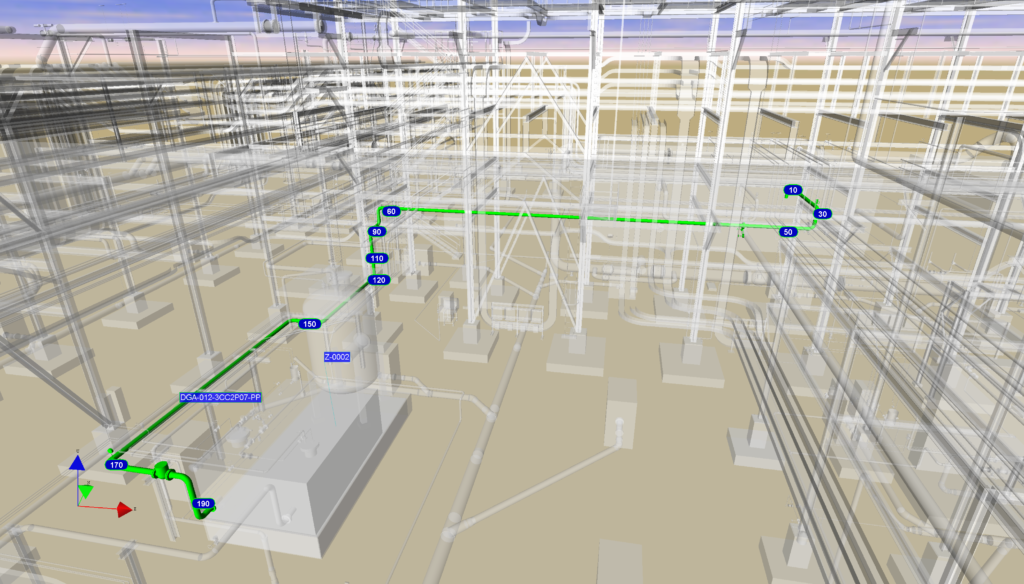
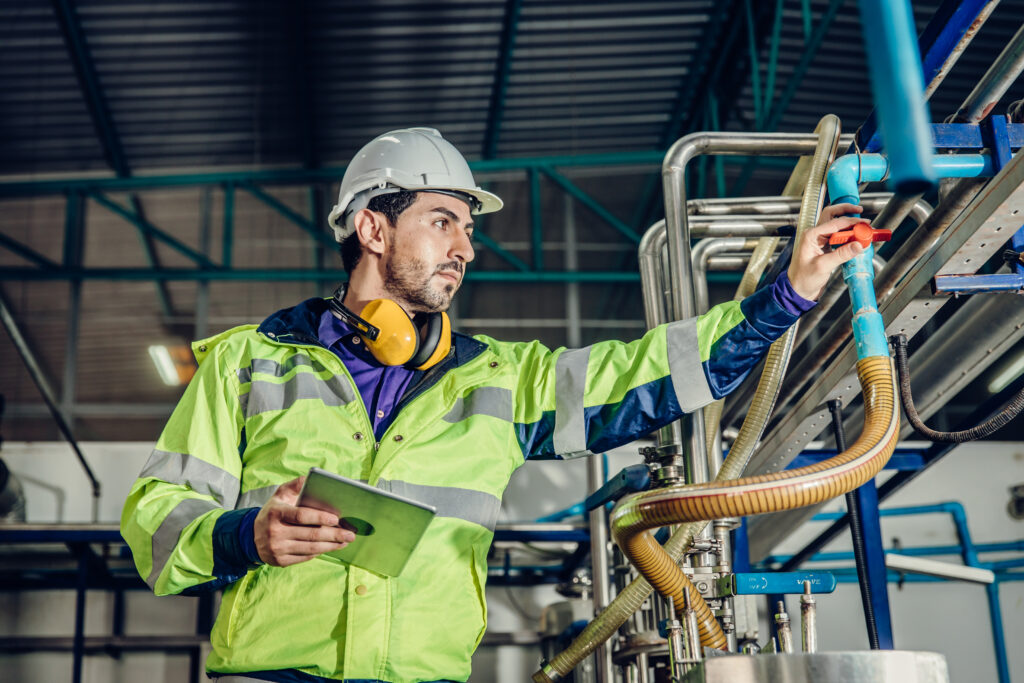
  How Does a Digital Twin Help Improve Worker Safety?   A digital twin can be a valuable tool in many industrial businesses for a number of reasons. Understanding how an asset will behave under different circumstances, monitoring its condition and quickly pinpointing any issues is important to worker safety. This works in several ways:   Reducing Time In Hazardous Conditions    Digital twins help improve worker safety by minimizing the time humans spend in hazardous environments.  This is accomplished through more efficient planning of inspection and maintenance activities. Let’s dive into some examples.     When there is a faulty valve or a valve is due for replacement, it would be quick and easy if there were only a few valves to look through.  But today’s complex asset will have hundreds, if not thousands of valves.  So finding that needle in the haystack is often the challenging part. With sophisticated 3D digital twin capabilities offered in solutions like V-Suite, time in the field is cut dramatically. An executive from a Top 5 global Oil & Gas company puts it this way: “An hour in V-Suite is like 8 hours in the field.”  Less time in hazardous contexts translates into safer worker conditions.     “An hour in V-Suite is like 8 hours in the field.”   By leveraging a digital twin to plan ahead from headquarters, one can identify a multitude of part replacements that are needed in a given area within the facility. Additionally, one can have a better understanding of what additional needs have to be considered – scaffolding for example – before getting on site.  Add it all up and you can see how digital twin technology reduces the back and forth between offices and the industrial assets that are being managed from them.  This not only helps to reduce time, energy and money on transportation, but it also means less time for the maintenance worker to be in potentially hazardous conditions.       Avoiding Hazards Through Preventive Maintenance   Because a digital twin is a digitized version of a physical asset and data is often exchanged by the systems in real time, monitoring an asset for preventative maintenance is greatly simplified and improved. This works because important areas of functionality are fit with IoT sensors, which feed data to a processing system that updates the digital twin of the physical asset. Component maintenance schedules are optimized because their exact condition is being constantly monitored and any repair or adjustments can be made before problems occur.     Preventing Dangerous Failures   The preventative maintenance discussed above circumvents potential catastrophic failures that, if they were to occur, might put workers in harm’s way. Modeling otherwise hidden elements makes it much faster to discover and correct what would otherwise be an unseen issue that could cause an accident or injury. The sensor structure also allows workers to view a single issue from multiple vantage points, creating faster and more precise solutions to ensure assets are in their safest, most optimal working order. Digital twins can also monitor environmental factors and trigger safety measures if outside hazards are impeding an asset’s ability to function safely. This allows businesses to avoid accidents and improve safety outcomes by preventing issues before they occur.     Minimizing Human-Machinery Interactions   Managing environmental hazards is just one way digital twins reduce human time in the field. Minimizing human-asset interactions in other ways as well is a tremendous advantage of digital twin technology. By identifying any unseen issues exactly at the source, the amount of time workers must spend interacting with potentially dangerous asset components is greatly minimized. In some cases, digital twins work alongside artificial intelligence (AI) and robots to repair assets which would have required hands-on troubleshooting otherwise.     Creating Safer Systems   Digital twins may be used in the research and development stages of an asset’s life cycle, resulting in safer machines, systems and physical structures. The spatial data rendered by a digital twin is also helpful in designing the systems that will operate within new machines and structures. This data-rich, robust design environment is ideal for fixing issues and creating the safest possible structures and systems before an asset ever hits the market.     Enhanced Training Opportunities   A digital twin enhances training opportunities for employees whose job sees them working on more hazardous components of the physical asset. While some industries already use simulations for worker training, a digital twin is far superior by virtue of being a completely replicated virtual reality environment. This greatly enhanced experience – and the ability to see elements that would have otherwise been hidden (or highly dangerous to access) increases a worker’s knowledge base in a safe and controlled environment. Employees are also better prepared and monitored when they do have to navigate dangerous mechanical components or structures.     Conclusion   Digital twins are becoming more common in the industrial and construction sectors and its impact on worker safety is already compelling. Applications of digital twin technology in the worker safety space will only grow, especially as digital twins are increasingly used in the R&D phase of system and structure creation. It is not unreasonable to project that digital twins may soon become the gold standard for employee training and safety programs in the coming years as more and more industries look to leverage this technology.        

How does a Digital Twin help improve worker safety Read More »
Digital Twin

What challenges does a digital twin solve?

What challenges does a digital twin solve? Digital twins are becoming an increasingly important part of business operations and asset management. In many cases, the Digital Twin can be used as an aid in solving various problems. The most common use is for data analysis and visualization which helps with improving business decisions by providing insights on trends within your company’s operations or marketplace conditions that may affect future success rates of products you are developing; this also allows companies to track their investments more effectively than ever before. By creating a digital replica of a physical asset or system, companies can improve performance, predict failures, optimize operations and improve safety. How can a digital twin be used to optimize manufacturing processes A digital twin can be used to optimize manufacturing industry processes in several ways. First, it can help identify issues with the manufacturing process early on, before they become bigger problems. Second, it can help optimize the process to ensure that it is running as efficiently as possible. And finally, it can help predict future issues that may occur in the manufacturing process and take steps to avoid them.   Operational efficiency is one of the key benefits of using a digital twin. By monitoring the digital replica of a physical process, companies can identify areas where improvements can be made. This could include anything from reducing downtime to improving safety. Additionally, digital twins can be used to monitor energy usage and identify opportunities for cost savings. How can a digital twin be used to improve product quality A digital twin can be used to improve product quality in a few ways. First, it can be used to monitor the quality of the product as it is being manufactured. This can help identify and correct any issues before the product is shipped to customers. Additionally, a digital twin can be used to track customer feedback and complaints in order to help improve the product. This information can be used to make changes to the product before it goes to market, or even after it has been released. By tracking customer feedback, companies can ensure that they are always providing the best possible product. This information can also be used to improve the quality of future products.   Finally, a digital twin can be used to monitor the product after it has been sold. This can help identify any issues that may have gone undetected during manufacturing or shipping. By using a digital twin, companies can quickly and effectively improve the quality of their products. How can a digital twin be used to reduce downtime? One of the main benefits of using a digital twin is that it can help reduce downtime. By monitoring key performance indicators (KPIs), businesses can get an early warning when something is going wrong. This allows them to take corrective action before the problem becomes too serious. Additionally, by identifying trends and patterns, businesses can optimize their operations to avoid potential problems. As a result, digital twins can help businesses run more efficiently and avoid costly downtime. Improving safety by identifying hazards and risks through preventive maintenance Digital twins can improve safety by identifying hazards and risks through preventive maintenance. For example, if a company has a digital twin of a machine, they can use it to monitor the health of the machine and predict when it will need maintenance. This can help prevent failures that could lead to injuries or accidents.    Additionally, digital twins can be used to monitor environmental conditions and identify potential hazards. This information can help companies take steps to prevent accidents before they happen. Further, preventive maintenance with digital twins reduces time in the field, which, in turn, lowers the risk of accidents and injury. Conclusion Digital twins are an important tool for companies that want to improve their operations. Digital twins can be used in a number of ways to optimize manufacturing processes and improve product quality. They can help identify issues with products before they become bigger issues. Additionally, they can be used to optimize manufacturing processes and reduce downtime. Digital twins offer a unique way to solve challenges across a variety of industries. By leveraging data and advanced analytics, digital twins can help organizations achieve greater efficiencies, improve decision making, and optimize operations.

What challenges does a digital twin solve? Read More »

Visionaize is a Digital Twin Consortium member

Visionaize is now a part of the Digital Twin Consortium

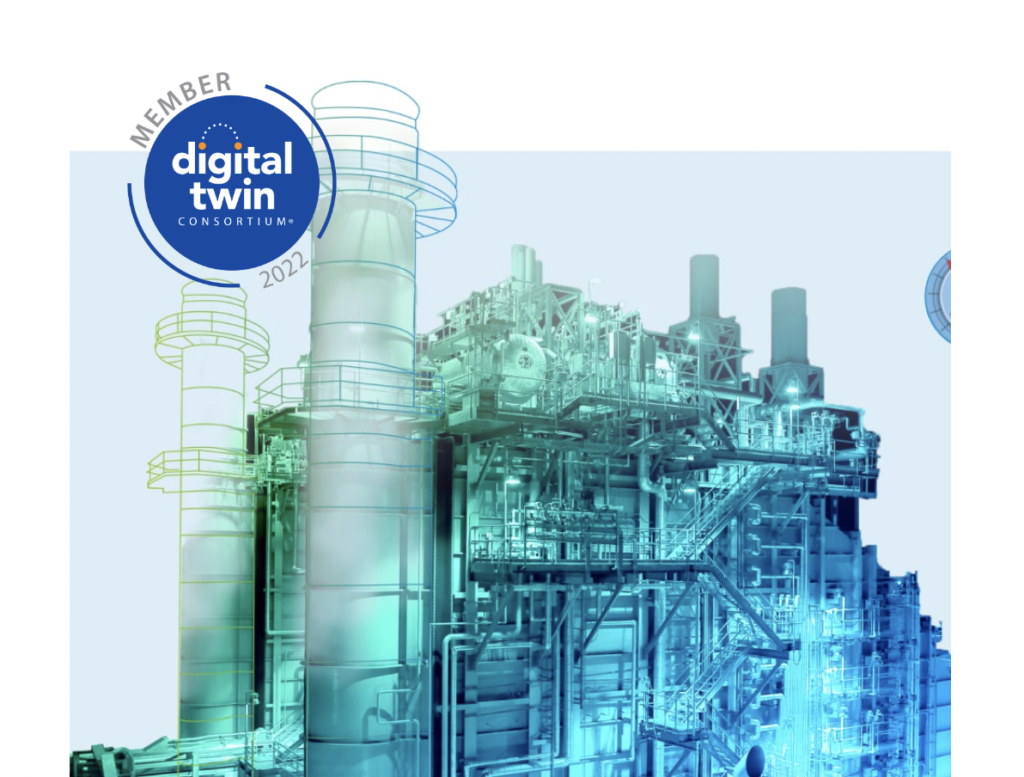
  Visionaize is now a part of the Digital Twin Consortium     SAN JOSE, CA  — (July 6, 2022) — Visionaize, a global leader in the development and maintenance of 3D digital twins for highly complex industrial assets, is proud to announce that it has joined the Digital Twin Consortium (DTC), an organization that fuels collaboration with industry, academia and government experts with a dedication to the overall development of digital twins.   As our mission is focused on helping inspection, maintenance, and operations teams get more productivity out of their asset-intensive businesses, joining the DTC provides opportunities to both convey how immersive 3D visualization solutions can help companies extract maximum value from Digital Twins, but it also brings us closer to the best minds in the Digital Twin space to help guide our future work.   “Our membership in the Digital Twin Consortium will allow interested users to learn about the latest advancements in Digital Twin technologies including integration of AI, Virtual and Augmented Reality technologies to reduce downtimes and optimize inspection and maintenance activities” said Vikas Agrawal, CEO at Visionaize.   He added, “By joining the DTC, Visionaize confirms its goal to provide more value to customers by offering a true operational Digital Twin that helps both experts and non-experts be safe and more efficient in their daily jobs by giving context and delivering timely insights to the point of action. This is done by visualizing relevant real-time and historical plant/asset data from enterprise systems in the 3D model from anywhere at any time.”   “We are proud to welcome Visionaize as a member of Digital Twin Consortium,” said Dan Isaacs, CTO, Digital Twin Consortium. “Their deep  experience in combining immersive 3D visualization capabilities and contextual actionable insight will enable collaborative opportunities across our membership community as we enter an exciting new phase of digital twin adoption.”   “Digital twin partners and customers are among the most ardent users benefiting from the Visionaize solution. Working in concert with DTC members will provide tremendous benefit to these users and further digital twin innovation”, said David Reinhart, EVP of Visionaize and a pioneer in the the Digital Twin space.   To learn more about Visionaize, please visit visionaize.com.   About Visionaize:Visionaize transforms how our customers leverage and engage with data to drive operational efficiencies in complex industrial environments. Our mission is to improve safety, save time, and reduce downtime by delivering valuable insights at the point of action in a way that is quickly accessed and easily understood by operational workers. For more information, visit www.visionaize.com. 

Visionaize is now a part of the Digital Twin Consortium Read More »

Digital threads form the data foundation for which digital twins are built upon.

How are Digital Twins and digital threads different?

The digital thread is the path that data follows as it is collected, analyzed, and used to inform decision-making. A digital twin is a dynamic virtual 3D model of a physical object or system that can be used to track its real-world counterpart’s performance and predict its future behavior. The digital thread is the foundation upon which digital twins are built. A digital thread can be thought of as a “single source of truth” for data about an object or system. This data can come from many sources, including IoT sensors, simulations, and manual input. The digital thread is also a permanent record of your product or system’s lifetime, from its creation to removal and provides traceability. A digital twin is a dynamic 3D model that uses data from the digital thread to represent the current state of a physical object or system, and to predict its future behavior. Digital twins can be used for many purposes, including monitoring workflows and diagnostics, performance optimization, and predictive maintenance. Digital twins are often used in manufacturing, oil & gas, and utility industries to improve quality control and optimize production lines. By having a 3D virtual model of a manufacturing process, engineers can make changes and test them before they are implemented. Can Digital Threads or Digital Twins be used on their own? Digital threads and digital twins are often used together, as they complement each other well. However, they can also be used separately. Digital threads can be used without digital twins, for example to track the progress of data through a process or system. This data can then be used to inform decision-making, but it will not be represented in a dynamic 3D model. Digital twins, on the other hand, require digital threads in order to function. This is because they rely on data being captured and tracked throughout the lifecycle of a product or system. Without this data, it would not be possible to create an accurate representation of the real-world counterpart. When multiple digital threads are collected and combined they can synergistically provide holistic performance of a physical object or system. How Digital Threads and Digital Twins Can Improve Manufacturing There are many advantages to implementing a digital thread and digital twin in manufacturing. Digital threads can be used to track the progress of data through a manufacturing process, from design to delivery. This data can be used to optimize the process, for example by reducing waste or increasing efficiency. Digital threads and digital twins can be used in manufacturing to improve quality control and optimize production lines. By having a virtual model of a manufacturing process, engineers can make changes and test them before they are implemented. This can lead to shorter development cycles, less waste, and higher-quality products. Digital twins can also be used to monitor and diagnose problems in manufacturing processes. This can help to identify and fix issues before they arise, thereby reducing the risk of defects. Conclusion Digital threads and digital twins are two terms that are often used interchangeably, but they actually refer to two different concepts. A digital thread is a single, continuous strand of data that flows through a manufacturing process from start to finish. This data can be used to track the progress of a product and optimize the manufacturing process. A digital twin is a digital copy of a physical product or process. This copy can be used to simulate different manufacturing scenarios and test new designs before they are implemented in the real world. Digital threads and digital twins are powerful tools that can be used to improve manufacturing. They can be used to track the progress of data through a process, optimize processes, and avoid costly mistakes. Implementing a digital thread and digital twin can help to reduce costs and improve productivity in manufacturing, utilities, power & energy and other industries that rely on heavy industrial assets.    

How are Digital Twins and digital threads different? Read More »

Image of Digital Twin for Asset Intensive Industries

What is a Digital Twin and how does it benefit industrial businesses?

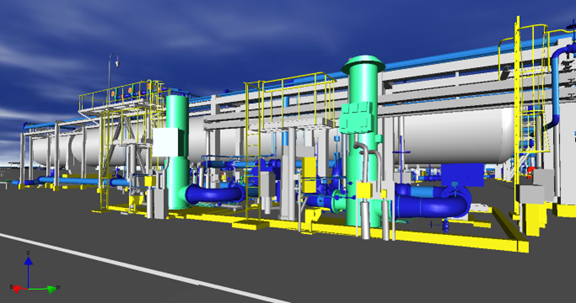
What is a digital twin? A digital twin is a 3D virtual replica of a physical object or system. In terms of industrial businesses this could be oil & gas refineries, manufacturing facilities, or utility power plants. A digital twin is a form of enterprise asset management software that allows for remote operations and predictive maintenance of these facilities. The term “digital twin” was first coined in 2002 by Dr. Siegfried Zielinski, a German scientist and professor at the Berlin University of the Arts. The purpose of a digital twin is to provide an accurate and real-time representation of a physical object or system. This can be extremely beneficial for industrial businesses, as it allows them to detect faults and potential problems with their products before they become an issue resulting in less downtime and greater productivity. It also allows companies to optimize their processes and improve product quality. How does a digital twin work? A digital twin works by using an initial 3D scan of the object or structure. IoT sensors are added to the asset to collect data about a physical object or system. This data is then used to create a virtual replica of the object or system. Sensors will then relay the physical object’s performance to the digital twin. Such data points can include energy output, weather conditions, or up and down time. The digital twin can then be used to monitor the object or system in real time, and it can also be used to run simulations to predict how the object or system will behave under different conditions. This helps businesses to optimize their processes and avoid potential problems. What are the benefits of a digital twin? There are many advantages of using a digital twin for industrial businesses. One of the main advantages is that it can help businesses understand and predict how the asset will behave under different conditions. This helps businesses to improve their decision-making and to reduce costs. Some additional benefits a digital twin can provide for an industrial business include: 1. Reducing downtime by identifying potential problems before they occur 2. Improving quality control by monitoring products throughout the manufacturing process 3. Reducing costs by optimizing processes and reducing waste. Remote operations also allow industrial businesses to reduce the amount of resources to monitor the asset. 4. Increasing customer satisfaction by providing a personalized experience 5. Improving safety by identifying hazards and risks through preventive maintenance 6. Reducing carbon emissions with fewer trips to the facility, since the fuller scope of what needs to be looked at can be better and more proactively coordinated through the use of a digital twin. What are some of the challenges of using a digital twin? There are several challenges that need to be considered when using a digital twin. One challenge is data privacy and security.  The digital twin contains data that can be sensitive, so it is important to consider how to protect this data. Another challenge is accuracy. The digital twin must be accurate in order to provide useful information. If the digital twin is not accurate, it can lead to incorrect decisions being made. Finally, scalability. The digital twin must be able to scale as the physical object or system changes. If the digital twin cannot scale, it will become outdated and unusable. How to create a digital twin for your industrial business There are a few things that you need to consider when creating a digital twin for your business. Firstly, you need to decide what data you want to include in your digital twin. This data will need to be accurate and updated in order to be useful. Secondly, you need to think about your current industrial business and how it is connected to IoT. Does it have all the correct sensors in order to be able to monitor data you are looking for? After that, you need to think about how you will keep your digital twin up-to-date. As the physical object or system changes, you will need to update your digital twin accordingly. This can be done manually or through automated means. Lastly, you need to consider how you will protect this data. Data privacy and security are important considerations when using a digital twin. If you take the time to consider these things, then creating a digital twin for your business can be a very valuable tool. The future of digital twin Digital twins are becoming more and more popular as they offer a multitude of benefits to businesses. As the technology continues to develop, it is likely that digital twins will become even more widespread and used in a variety of different industries. One potential future use of digital twins is in the medical industry. Digital twins could be used to create models of patients, which would then be used to test different treatments. This would allow for far more personalized and effective treatment plans. Digital twins could also be used in the construction industry. Construction projects are often very complex and involve a lot of coordination between different teams. By using digital twins, construction companies would be able to plan and coordinate their projects more effectively, which would lead to shorter project times and lower costs. Conclusion Digital twins are becoming more and more popular as they offer a multitude of benefits to businesses and have a lot of potential uses. As the technology continues to develop, it is likely that digital twins will become even more widespread and used in a variety of different industries. We can only imagine the ways in which digital twins will be used in the future.

What is a Digital Twin and how does it benefit industrial businesses? Read More »