
The Rise of Autonomous Industrial Control: Why Real-Time Optimization (RTO) Is Becoming the Brain of the Modern Plant
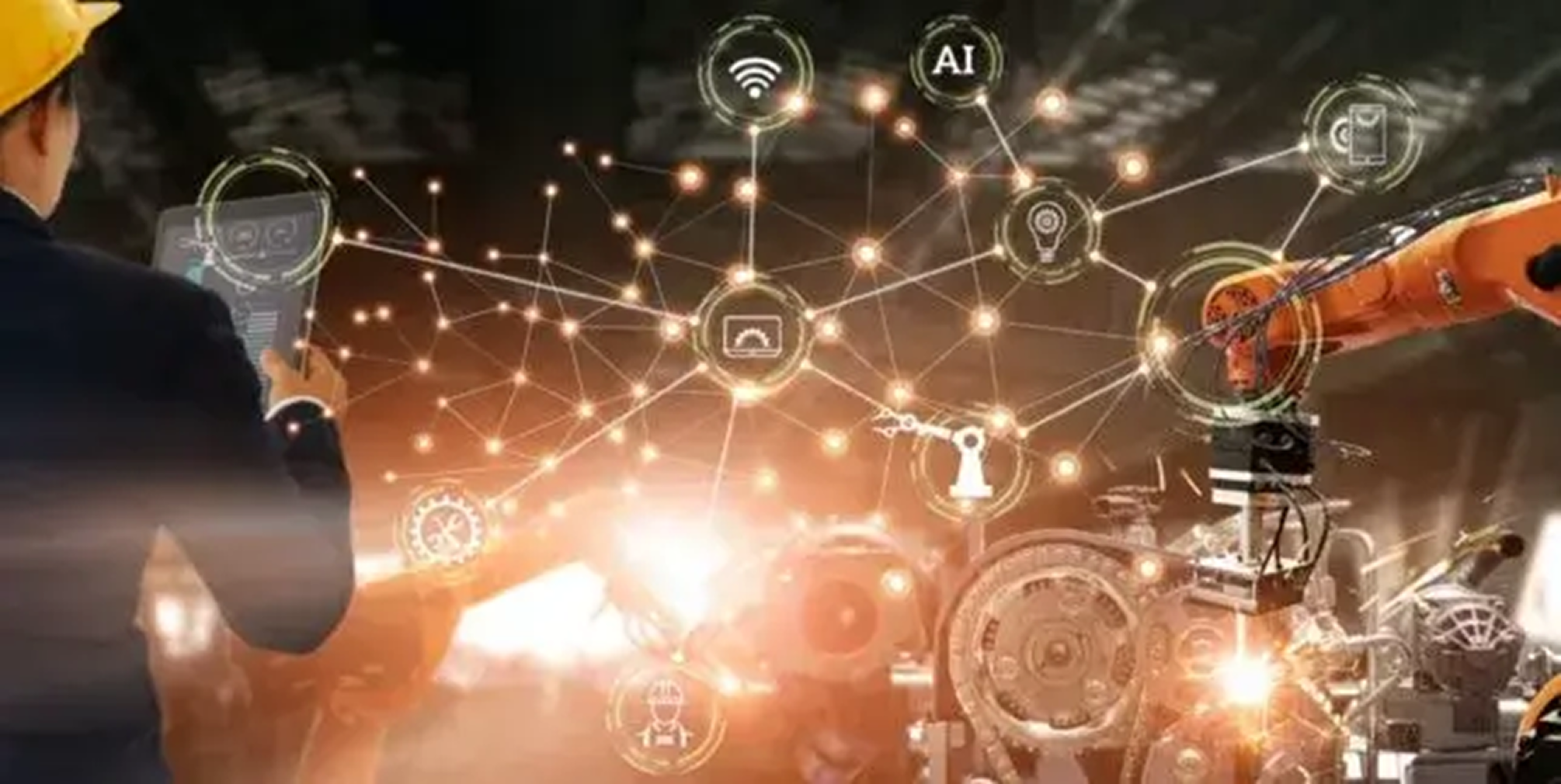
Industrial operations are entering a new era where Real-Time Optimization (RTO), Digital Twins, AI-driven analytics, and GenAI-powered assistants enable autonomous industrial control, improving efficiency, sustainability, and operational excellence.
Industrial operations across the world are entering a new era. With rising energy costs, growing sustainability mandates, widening skill gaps, and unpredictable process variability, manufacturers can no longer rely on slow, manual decision-making. Plants need systems that can understand themselves, respond in real time, and continuously self-optimize.
This is where Real-Time Optimization (RTO) is rapidly emerging as the brain of the modern plant. Combined with Digital Twins, AI-driven analytics, and GenAI-powered plant assistants, RTO enables a new level of autonomous industrial control that was impossible even five years ago.
In this blog, we explore how RTO is redefining operational excellence and why leading global industries are adopting platforms like Visionaize to spearhead this transformation.
What Is Real-Time Optimization? The Next Evolution Beyond Traditional Automation
While traditional control systems such as DCS, PLC, and SCADA stabilize industrial processes, they are not designed to optimize them. Real-Time Optimization sits above the automation layer, continuously analyzing operational data to determine the best operating conditions.
- Asset behavior
- Sensor and historian data
- Production constraints
- Energy prices
- Equipment health
- Environmental conditions
RTO continuously calculates optimal operating setpoints every few seconds rather than once per shift, helping plants operate closer to their ideal performance.
- Detect inefficiencies faster than human operators
- Predict energy wastage and raw material losses
- Automatically adjust process parameters
- Maintain product quality with minimal deviation
- Improve production yield and operational efficiency
Why RTO Is Becoming the Brain of the Industrial Plant
1. Energy Optimization in Real Time
Industries today face increasing pressure to reduce fuel consumption and emissions. RTO continuously optimizes plant performance to minimize energy usage while maximizing production efficiency.
- Minimize steam and power usage
- Improve heat-rate performance
- Optimize combustion and kiln stability
- Reduce cycle-to-cycle variability
2. Stabilizing Production in Highly Variable Environments
Modern industrial plants operate under constantly changing conditions. AI-driven RTO models maintain plants close to optimal operating conditions despite variations in feedstock, weather, demand, and operator dependency.
- Feedstock quality
- Weather conditions
- Load fluctuations
- Changing product grades
- Operator dependency
3. Autonomous Control Reduces Human Burden
RTO acts as a continuous decision engine that assists plant operators and engineers by reducing manual monitoring and providing AI-powered recommendations.
4. Closing the Loop: Monitoring → Prediction → Optimization → Autonomous Action
| Traditional Plant | Autonomous Plant with RTO |
|---|---|
| Manual decisions | AI-driven decisions |
| Reactive control | Predictive & prescriptive control |
| Siloed systems | Unified Digital Twin environment |
| Energy losses | Continuous optimization |
| Delayed diagnostics | Real-time anomaly detection |
How Visionaize Is Powering the Next-Generation RTO Revolution
1. Unified 3D Digital Twin + AI + RTO Platform
- Visualize plant performance in 3D
- Track energy flows
- Run operational simulations
- Validate optimization scenarios
- Detect anomalies early
2. AI Models Built for Heavy Asset Industries
- Power plants
- Cement
- Refineries
- Petrochemicals
- Fertilizer
- Sugar & Ethanol
- Water Utilities
Industries Most Impacted by RTO Adoption
- Power & Utilities
- Cement & Mining
- Oil & Gas
- Petrochemicals
- Fertilizer
- Chemicals
- Sugar & Ethanol
The Future: Fully Autonomous, Self-Optimizing Plants
- Auto-correct inefficiencies
- Learn from historical behavior
- Anticipate failures
- Balance energy in real time
- Maintain quality automatically
- Provide natural-language insights
Conclusion
The next decade belongs to autonomous, self-optimizing industrial operations. Real-Time Optimization is no longer optional—it is essential for competitiveness, sustainability, and resilience. Platforms like Visionaize combine RTO, Digital Twins, predictive analytics, and GenAI into a unified solution that helps industries lead the future of intelligent operations.