
What is a Digital Twin and how does it benefit industrial businesses?
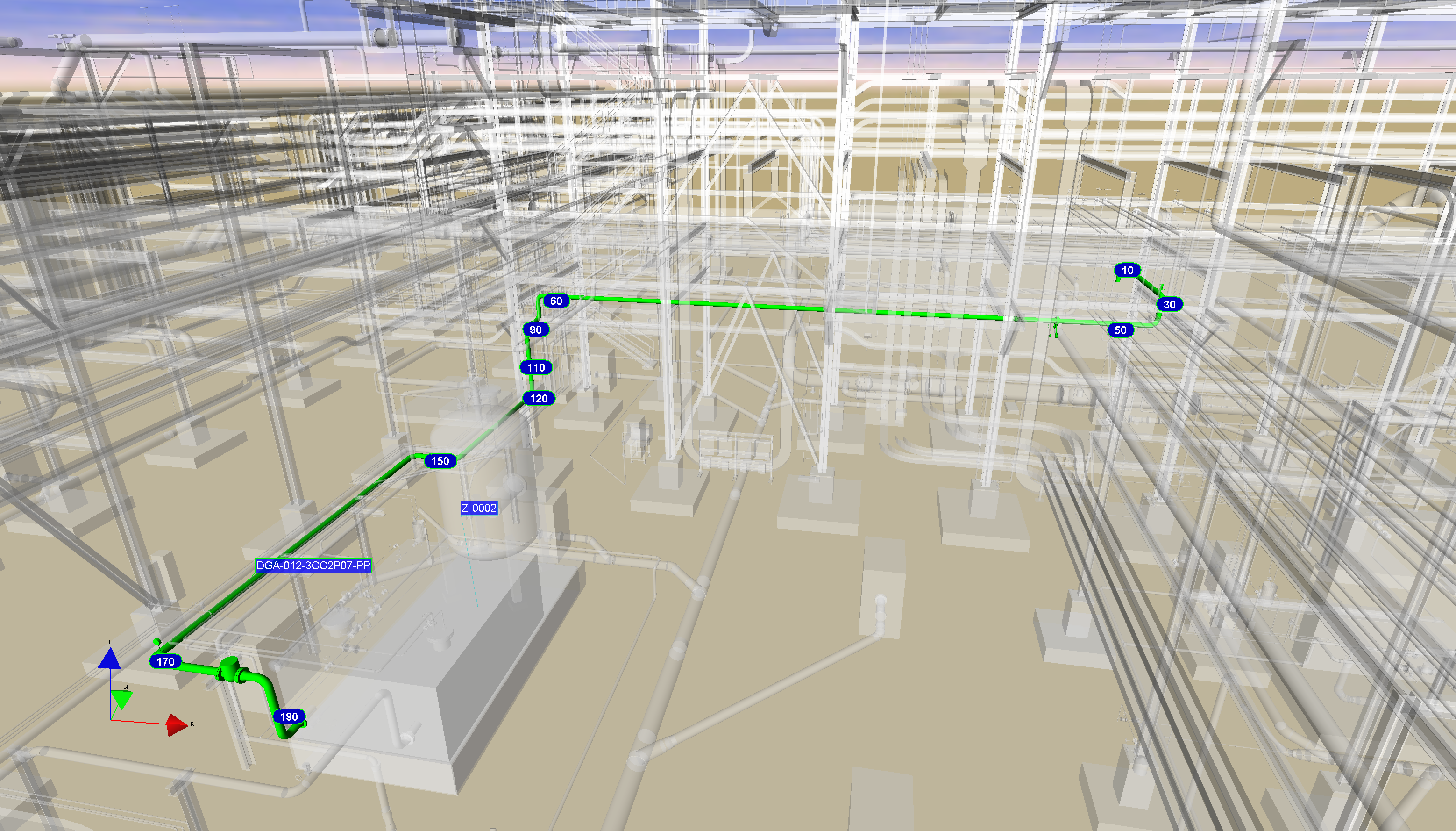
A digital twin is a 3D virtual replica of a physical object or system, and for industrial businesses it's become a practical tool for catching problems early and running more efficient operations.
A digital twin is a 3D virtual replica of a physical object or system. For industrial businesses, that might mean an oil & gas refinery, a manufacturing facility, or a utility power plant, with the digital twin functioning as a form of enterprise asset management software that supports remote operations and predictive maintenance.
Why It Matters for Industrial Businesses
The purpose of a digital twin is to provide an accurate, real-time representation of a physical asset. That makes it possible to detect faults and potential problems before they escalate into bigger issues, resulting in less downtime and greater productivity, while also helping companies optimize processes and improve product quality.
A Brief History
The concept traces back to NASA's Apollo 13 mission, though the term "digital twin" itself was coined by Dr. Michael Grieves of the University of Michigan in 2002, describing it as a dynamic software model that mirrors the physical characteristics and operational performance of a manufactured product or system.
- Real-time visibility into asset condition instead of periodic manual checks
- Predictive maintenance that catches issues before they cause downtime
- Better product quality through continuous monitoring and optimization
- Applications spanning manufacturing, oil & gas, utilities, and beyond
The Bottom Line
As digital twin technology continues to mature, it's becoming a standard part of how asset-intensive industrial businesses manage risk, reduce downtime, and get more value out of their physical assets.