
Using a 3D Digital Twin for Manufacturing Agility
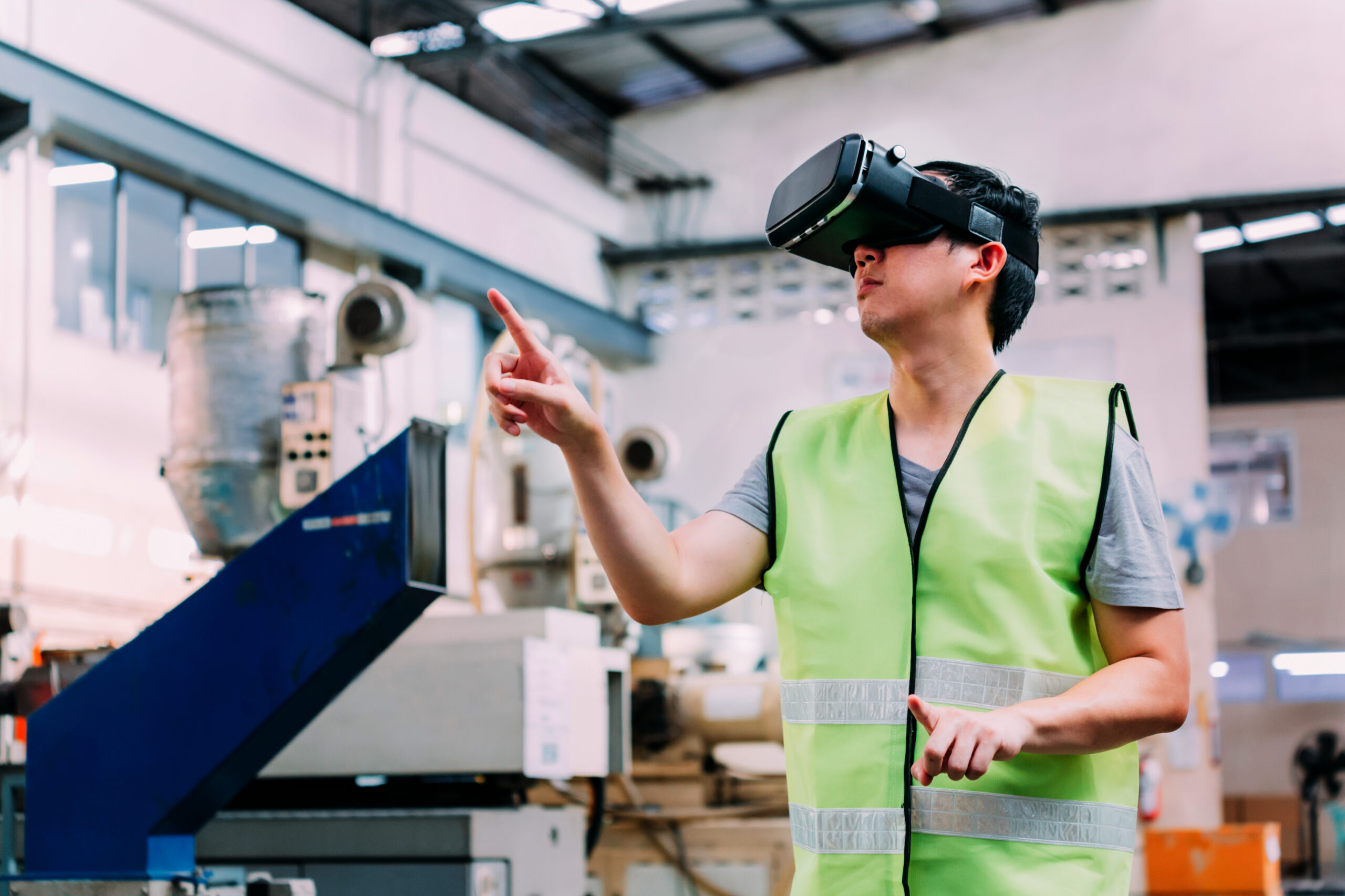
As flexibility becomes critical to manufacturing growth, 3D Digital Twins help organizations achieve Manufacturing-as-a-Service by enabling agile operations, simulation, and real-time decision making.
As 82% of manufacturers report, flexibility has become critical to growth. Manufacturing-as-a-Service (MaaS) represents the ultimate expression of that flexibility. By combining real-time operational data with a true-to-life 3D Digital Twin, manufacturers can adapt faster, reduce costs, and respond quickly to changing market conditions.
What is Manufacturing-as-a-Service?
Manufacturing-as-a-Service (MaaS) envisions a global manufacturing ecosystem where production facilities can dynamically reconfigure themselves, accept diverse workloads, and respond to changing supply chain conditions. This approach requires manufacturers to achieve unprecedented levels of flexibility, adaptability, and configurability.
A 3D Digital Twin serves as a visual and digital system of record, allowing organizations to understand, monitor, simulate, and optimize manufacturing operations before making physical changes.
What is Manufacturing Agility?
Manufacturing agility is the ability to rapidly adapt production systems while maintaining efficiency, safety, and operational visibility.
- Quickly respond to operational changes using real-time information.
- Keep manufacturing models synchronized with physical operations.
- Simulate planned operational changes before implementation.
- Reduce the cost and effort required to maintain accurate operational models.
- Enable informed decision-making through a true-to-life 3D Operational Digital Twin.
How 3D Visualization Improves Manufacturing Agility
Manufacturing agility depends on making fast, informed decisions. A 3D Operational Digital Twin provides a holistic understanding of manufacturing assets and processes, enabling organizations to visualize operations, identify risks, and confidently execute operational changes.
- Remote monitoring of manufacturing facilities from centralized operations centers.
- Virtual planning, rehearsal, and operator training using 3D visualization, Augmented Reality (AR), and Virtual Reality (VR).
- Faster robotic process automation planning for production changes and equipment setup.
- Optimized inspection, repair, and maintenance planning using immersive digital models.
- Mobile access to Digital Twins for field personnel to request parts and services directly onsite.
- Real-time updates between field observations and enterprise asset management systems.
Benefits of Operational 3D Digital Twins
Why True-to-Life Operational Digital Twins Matter
Organizations rely on Digital Twins for operational decisions only when they accurately represent real-world assets. A true operational Digital Twin becomes the trusted source of operational truth.
- Accurate, true-to-life representation of physical assets.
- Connected in real time to operational and enterprise systems.
- Available 24/7 for engineering, operations, maintenance, and planning teams.
The Takeaway
Manufacturing-as-a-Service depends on agility. Rather than waiting for fully software-defined production environments, manufacturers can achieve measurable improvements today by adopting immersive 3D Operational Digital Twins. These digital models reduce planning time, improve operational accuracy, accelerate production changes, minimize errors through simulation, and help organizations move toward a more flexible and sustainable manufacturing future.