
How AI-Driven Predictive Maintenance is Saving Big for Asset Intensive Enterprises
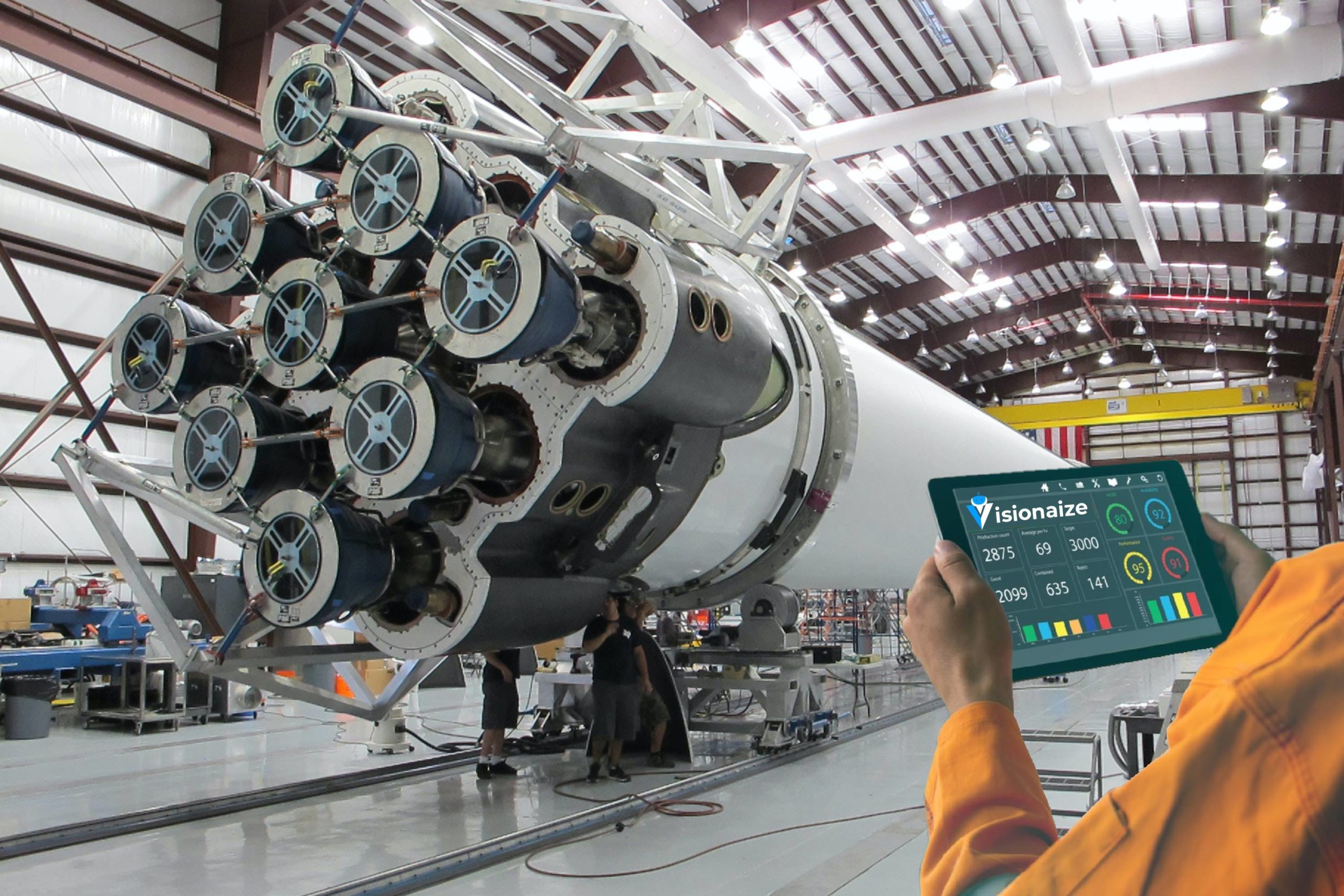
Effective predictive maintenance programs can deliver savings of 12 to 16 percent, but getting there means solving the real, everyday challenges of traditional maintenance planning first.
Traditional maintenance approaches can be manual, time-consuming, and an inefficient use of manpower, especially costly for businesses managing thousands of components or machines. A maintenance engineer might know from historical data that a component tends to fail after roughly 1,500 hours of runtime, then schedule a work order to check it once that threshold is reached.
Where Traditional Scheduling Breaks Down
That kind of planned maintenance can work fine when an engineer is only responsible for a handful of components. But that's rarely the reality in asset-intensive enterprises, and it's exactly this kind of challenge that predictive maintenance is designed to solve.
The Case for Predictive Maintenance
As sensors and machines generate ever more data across asset-intensive enterprises, the opportunity for data-driven optimization keeps growing. For a non-intrusive approach to maintenance, predictive analytics is proving to be the answer many industrial operators are looking for.
- Effective predictive maintenance systems have been shown to deliver savings of 12 to 16 percent
- Reduced reliance on rigid, calendar-based maintenance schedules
- Better use of skilled maintenance labor across large equipment fleets
- Fewer unplanned failures across thousands of components and machines
The Bottom Line
The advice from the data is clear: implementing predictive maintenance is straightforward to get started with and delivers meaningful benefits, making it one of the highest-leverage moves an asset-intensive enterprise can make.