
Enhancing Your Preventative Maintenance Program with 3D Digital Twins and AI
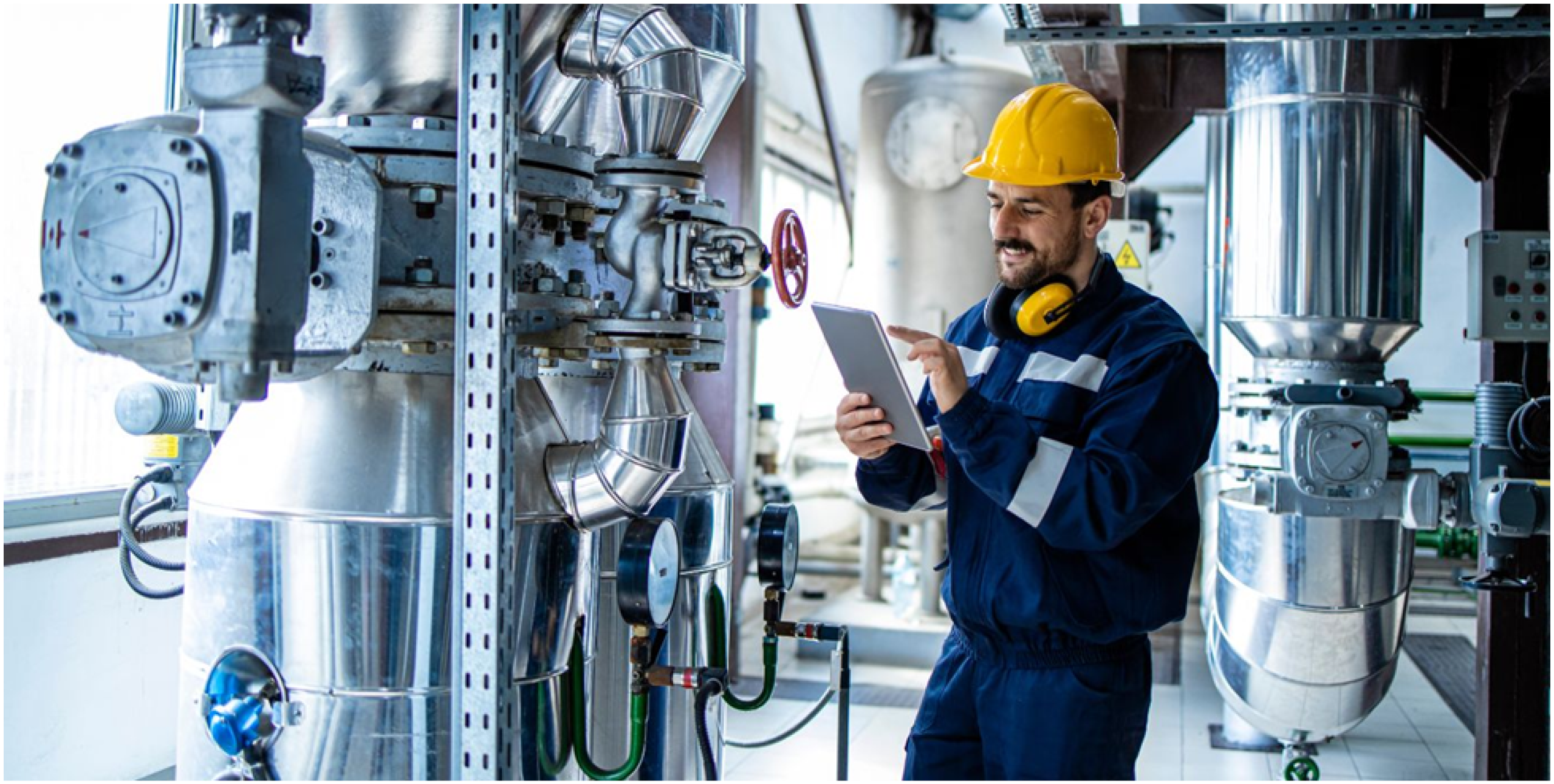
In industrial operations, unplanned downtime can lead to significant losses. A robust preventative maintenance program is essential for minimizing disruptions, reducing costs, and maximizing equipment lifespan. By combining 3D Digital Twins with AI, organizations can move from scheduled maintenance to intelligent, condition-based maintenance.
In industrial operations, unplanned downtime can lead to significant losses. A robust preventative maintenance program is essential for minimizing disruptions, reducing costs, and maximizing equipment lifespan. By integrating 3D Digital Twins with AI, organizations can transform traditional maintenance into a smarter, more efficient, and data-driven process.
What Is a Preventative Maintenance Program?
A preventative maintenance program consists of regularly scheduled inspections and maintenance activities designed to prevent equipment failures before they occur. Unlike reactive maintenance, which addresses issues after breakdowns happen, preventative maintenance focuses on early detection and proactive intervention to keep equipment operating at peak performance.
The Limitations of Traditional Preventative Maintenance
Traditional maintenance programs typically rely on fixed schedules and manual inspections. While effective to some extent, these methods often result in unnecessary maintenance or fail to detect developing issues in time. This can lead to higher maintenance costs, unexpected equipment failures, and increased operational downtime.
How 3D Digital Twins and AI Improve Preventative Maintenance
Real-Time Monitoring and Analysis
A 3D Digital Twin continuously monitors industrial assets by collecting and analyzing sensor data in real time. AI detects abnormal operating conditions and identifies potential equipment issues early, allowing maintenance teams to resolve problems before they become costly failures.
Predictive Maintenance with AI
AI-powered predictive analytics evaluate historical and live operational data to forecast equipment failures before they occur. This enables organizations to shift from time-based maintenance schedules to condition-based maintenance, reducing unnecessary work while maximizing equipment reliability.
3D Visualization of Maintenance Activities
Digital Twins provide an interactive 3D representation of equipment and facilities, allowing maintenance teams to visualize assets, simulate maintenance scenarios, and plan repair activities more effectively. This improves execution efficiency and ensures all stakeholders have a clear understanding of maintenance requirements.
Improved Decision-Making and Collaboration
A centralized Digital Twin platform gives engineers, maintenance teams, and operations personnel access to the same real-time asset information. This shared visibility enhances collaboration, speeds up decision-making, and ensures maintenance activities are coordinated efficiently.
Optimized Inventory Management
Predictive insights help organizations better manage spare parts inventory by identifying which components will likely require replacement and when. This reduces inventory costs, prevents unnecessary stockpiling, and minimizes delays caused by unavailable parts.
Benefits of a Digital Twin-Based Preventative Maintenance Program
- Reduced downtime and maintenance costs through proactive issue detection.
- Extended equipment lifespan with condition-based, data-driven maintenance.
- Improved safety and regulatory compliance through early identification of potential risks.
- Better decision-making using real-time operational insights and predictive analytics.
- Higher operational efficiency through optimized maintenance scheduling and resource allocation.
The Bottom Line
Modern preventative maintenance goes beyond fixed schedules and routine inspections. By combining AI with 3D Digital Twins, organizations gain real-time visibility, predictive intelligence, and smarter maintenance planning that reduces downtime, improves asset performance, extends equipment life, and lowers operational costs. This data-driven approach helps industrial businesses build more reliable, efficient, and resilient operations.