
Beyond Boundaries: The Future of Remote Performance Monitoring
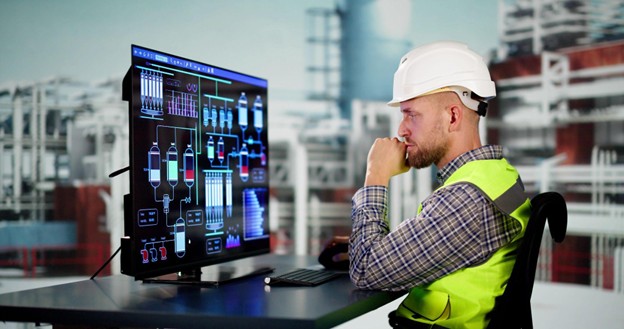
As industries continue their digital transformation, remote performance monitoring is becoming essential for improving efficiency, reducing downtime, enhancing safety, and enabling smarter operations across multiple facilities.
As industries continue to embrace digital transformation, remote performance monitoring has become a critical capability for improving operational efficiency, reducing costs, and enhancing safety. By combining real-time data, connected assets, and advanced analytics, organizations gain continuous visibility into operations and can respond to issues before they impact production.
What Is Remote Performance Monitoring?
Remote performance monitoring uses real-time operational data, advanced analytics, and connected technologies to continuously track the health and performance of industrial assets. This enables teams to detect inefficiencies, predict equipment failures, and optimize operations from virtually anywhere.
Why It Matters
Traditional monitoring often depends on manual inspections and delayed reporting, making it difficult to react quickly. Remote monitoring replaces these limitations with continuous visibility, allowing organizations to improve reliability, reduce operational costs, and make faster, data-driven decisions.
- Real-Time Insights — access live equipment and process data for immediate anomaly detection.
- Proactive Maintenance — identify potential failures before they become costly downtime.
- Cost Efficiency — reduce travel expenses and labor associated with routine inspections.
- Safety Improvements — monitor hazardous environments remotely while minimizing personnel exposure.
- Scalable Oversight — manage multiple facilities from a single centralized platform.
Benefits in Action
Organizations across asset-intensive industries are already seeing measurable results from remote monitoring technologies.
- Energy — remote turbine monitoring has reduced downtime by up to 40%, saving millions in operational costs.
- Manufacturing — real-time production monitoring has improved efficiency by approximately 25% while reducing delays and waste.
- Mining — continuous equipment monitoring in remote environments improves reliability while minimizing on-site maintenance requirements.
Key Features Driving Value
- 24/7 Monitoring — continuous asset visibility enables rapid response to emerging issues.
- Predictive Analytics — AI-powered models forecast equipment failures before they occur.
- Process Optimization — operational analytics uncover bottlenecks and improve resource utilization.
- Remote Access — engineers and operators can monitor, diagnose, and troubleshoot systems from anywhere.
The Future of Remote Monitoring
As industrial operations become increasingly connected, remote performance monitoring will play an even larger role in maximizing efficiency, improving resilience, and supporting sustainable growth. Organizations that adopt these capabilities today will be better positioned to compete in tomorrow's digital industrial landscape.
The Bottom Line
Remote performance monitoring goes far beyond reducing maintenance costs. It empowers organizations with real-time operational intelligence, improves safety, enhances productivity, and provides the scalability needed to manage complex operations across multiple locations. As digital transformation accelerates, remote monitoring is becoming a foundational capability for high-performing industrial enterprises.